

Khasanova Alina Maratovna
The topic of national and cultural specifics is quite
traditional for research in the field of phraseology. For
many years, works on phraseology (especially if they
were carried out within the framework of traditional
linguistics) argued that phraseological units are
nationally specific units of the language that accumulate
the cultural potential of the people. The purpose of this
article is to describe the features of national-cultural
aspect in the language picture of the world in
phraseological units in the Russian and Uzbek languages.
The concept of time is an integral part of existence. In science, the problem of time has
always occupied an important place. Over the question «What is time?» people have been
thinking for centuries, trying to understand, isolate and comprehend its properties. The
category of time is multifaceted: time has been studied in philosophy, physics, history,
folklore, literature, cultural studies, psychology, and linguistics [1].
The term «time» has many definitions, for example, time is a form of existence of movement or
matter, a way of existence of space, a form of existence of movement. Time can be imagined as
something acting on a space filled with vacuum and giving rise to what we used to define as
the concept of matter. But «time» is also a property of being, which characterizes the change of
events, their sequence and direction. In everyday communication, you can often hear the
phrases: «время идёт», «время движется», «время бежит», «время летит». Man
does not live outside of time. Thanks to time, the present becomes the past, and it is possible
to think about the future. The main distinguishing feature of time is its irreversibility. It is
with her that the complaints of all people are connected, a gloomy shade in the phrases
«время прошло», «время упущено», which carries the meaning: never return again. It is
the irreversibility inherent in time that gives to all things that cannot be seen again, a second
time, that last sharpness of attractiveness and spirituality as the meaning of life and hope,
with the help of spiritual elevation, mastery of wisdom, to avoid suffering, to find the fullness
of life happiness.
-
Bosh sahifa

- Ilmiy ommaviy maqolalar
- NATIONAL-CULTURAL ASPECT OF THE LANGUAGE PICTURE OF THE WORLD (BASED ON UZBEK AND RUSSIAN PHRASEOLOGY)
Ilmiy ommaviy maqolalar
- Barcha
- Ekofaol talabalar
- Karera markazi
- Kelajakka qadam
- Korrupsiyaga qarshi kurash
- Mahalla va universitet
- Ustozlar suhbatin qo‘msar bu ko‘ngil
Ilmiy ommaviy maqolalar
|
01/06/2023

Chop etish
NATIONAL-CULTURAL ASPECT OF THE LANGUAGE PICTURE OF THE WORLD (BASED ON UZBEK AND RUSSIAN PHRASEOLOGY)
Boshqa rubrikalarda mashhur

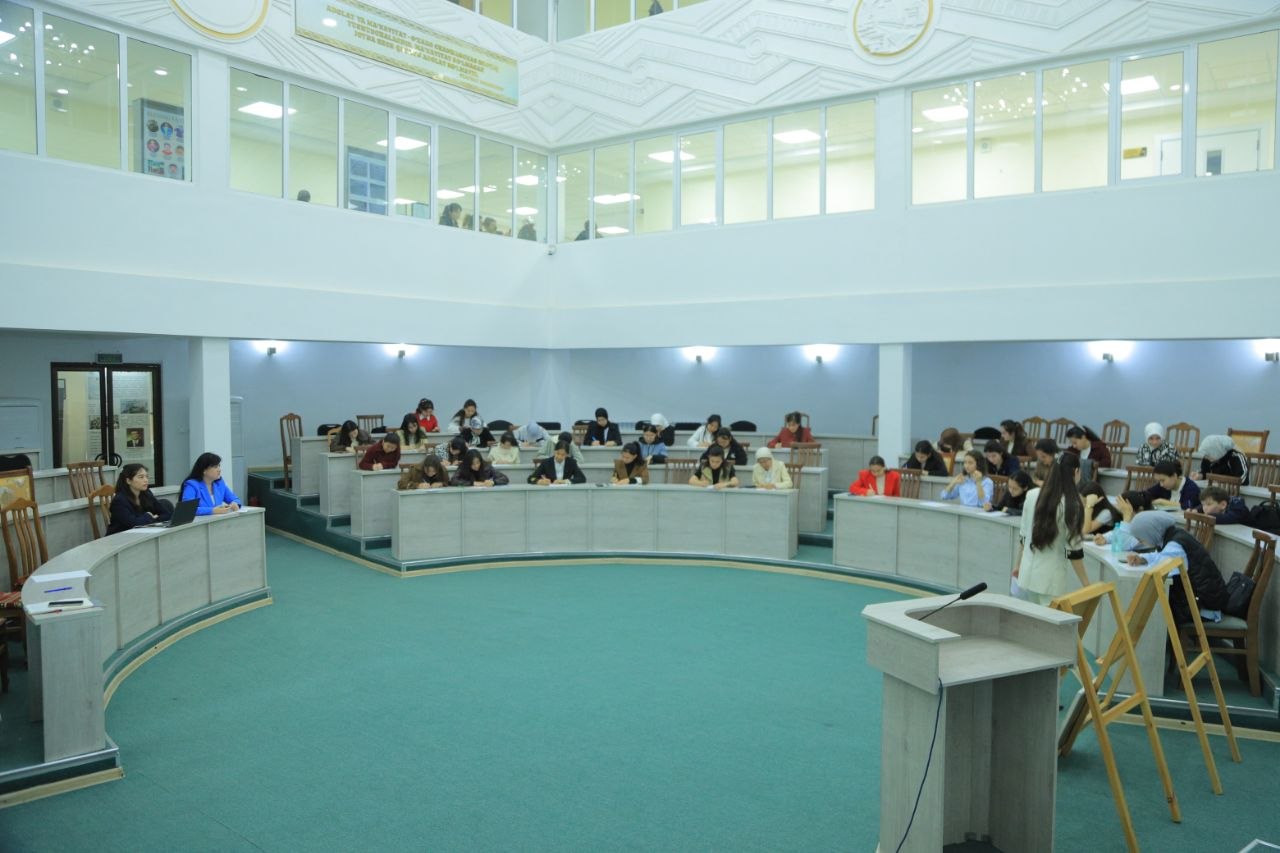
“Shanba – ijtimoiy faollik kuni” doirasida tashkil etilgan ushbu galgi Speaking Club talaba-yoshlarning nutqiy ko‘nikmalarini rivojlantirish, erkin fikrlash va muloqot madaniyatini oshirishga qaratildi.
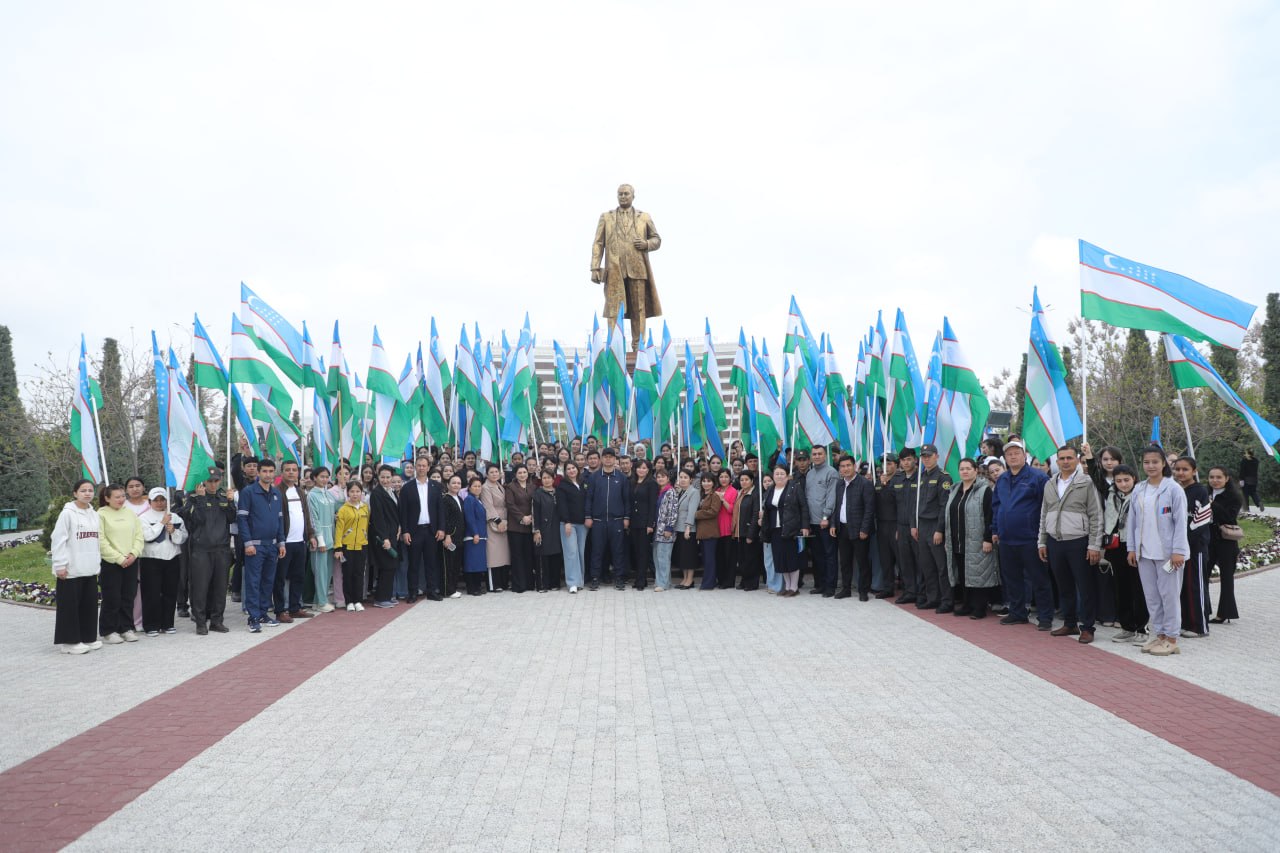
Jizzax viloyatida buyuk davlat arbobi va sarkarda Amir Temur tavalludining 690-yilligi munosabati bilan tantanali harbiy saf yurishi hamda “Otlar paradi” yuqori saviyada tashkil etildi.
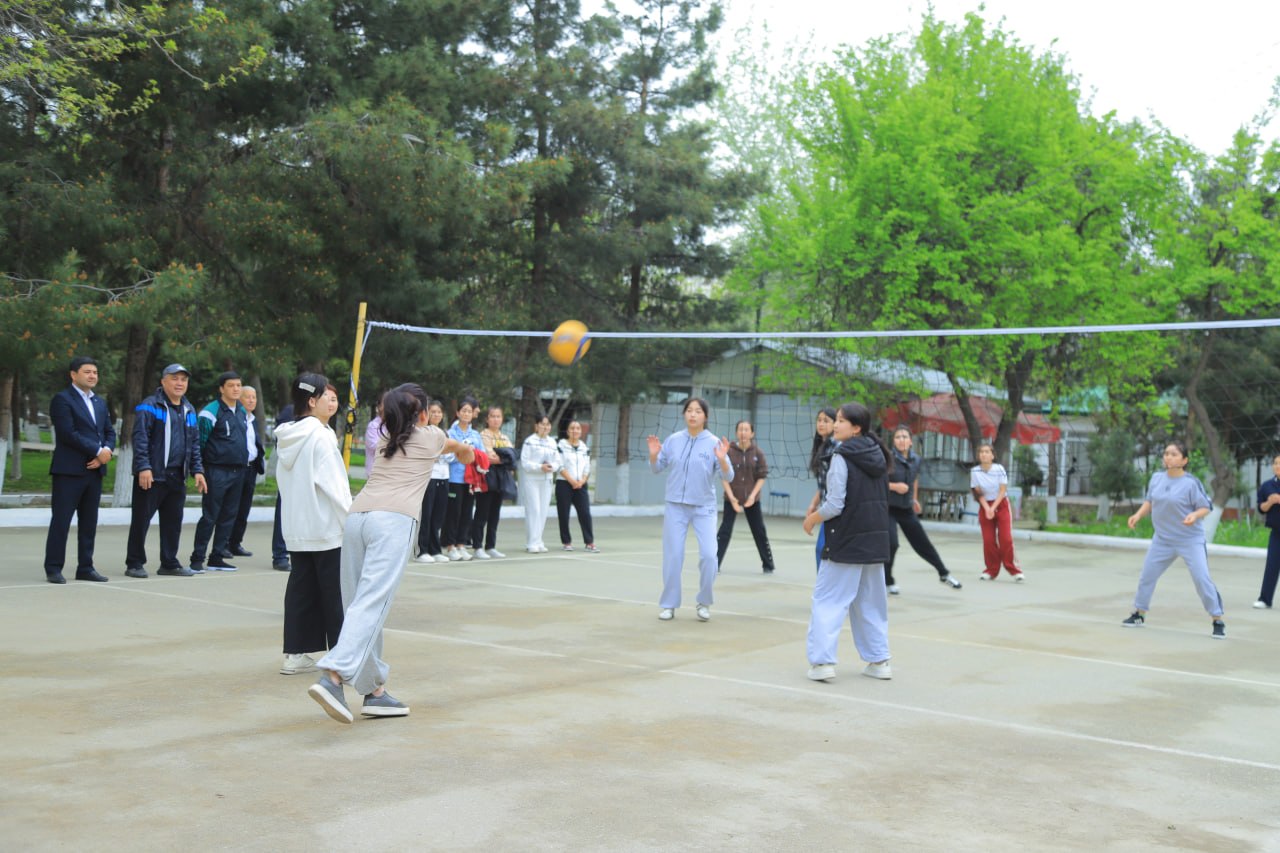
Barcha oliy ta’lim muassasalarida aprel va may oylari “Sport va sog‘lomlashtirish oyligi” deb e’lon qilinganligi munosabati bilan bugun Jizzax davlat pedagogika universitetida shanba — ijtimoiy...
So'nggi yangiliklar
Tarix fakultetida Amir Temur tavalludining 690 yilligiga bag‘ishlangan ilmiy seminar tashkil etildi.
03/04/2026
01/04/2026