This website is currently in test mode. Some features may be unavailable or not function as expected.
Anti-corruption
Anti-corruption
|
20/03/2025
Print
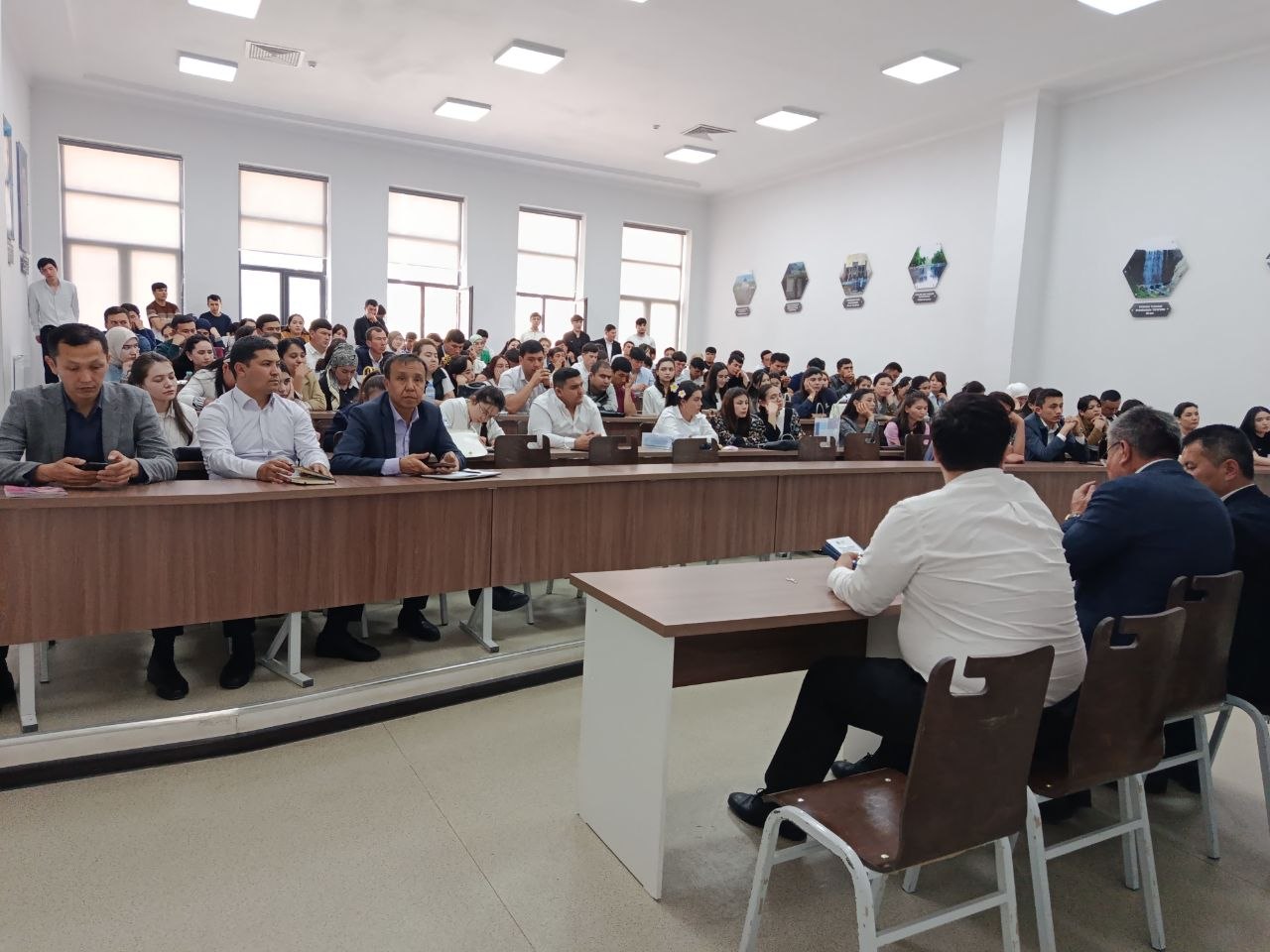
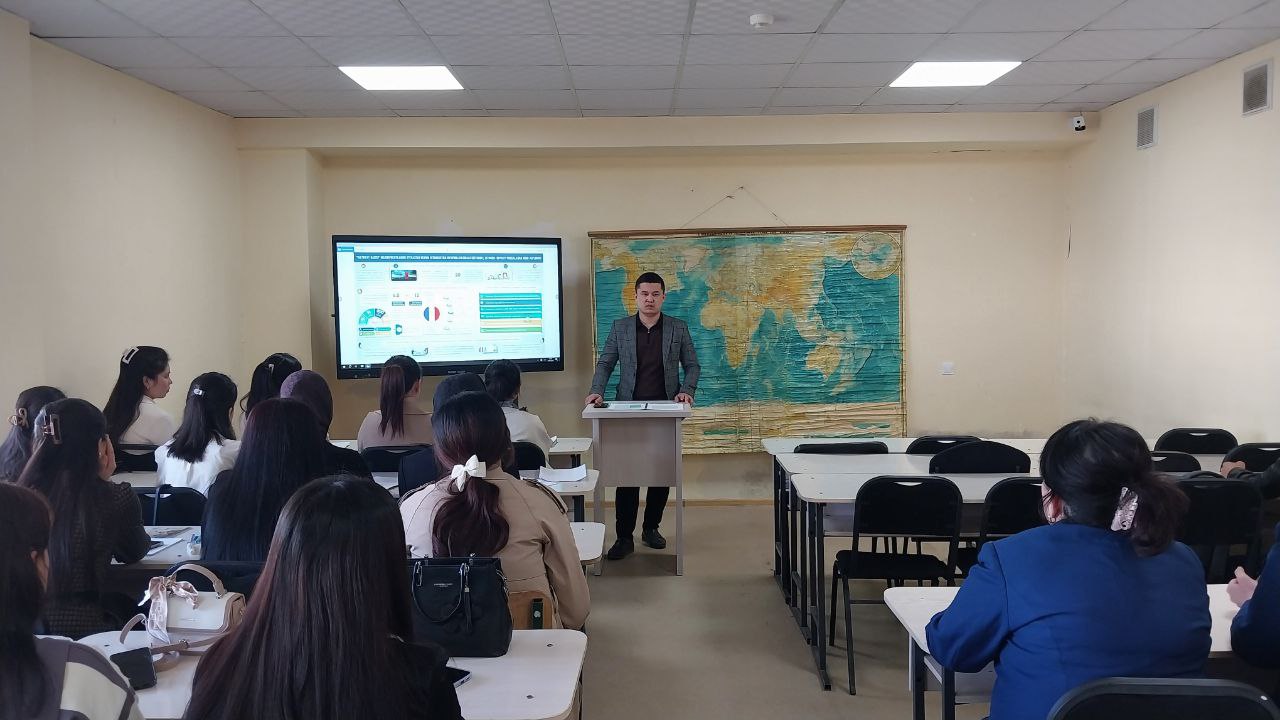
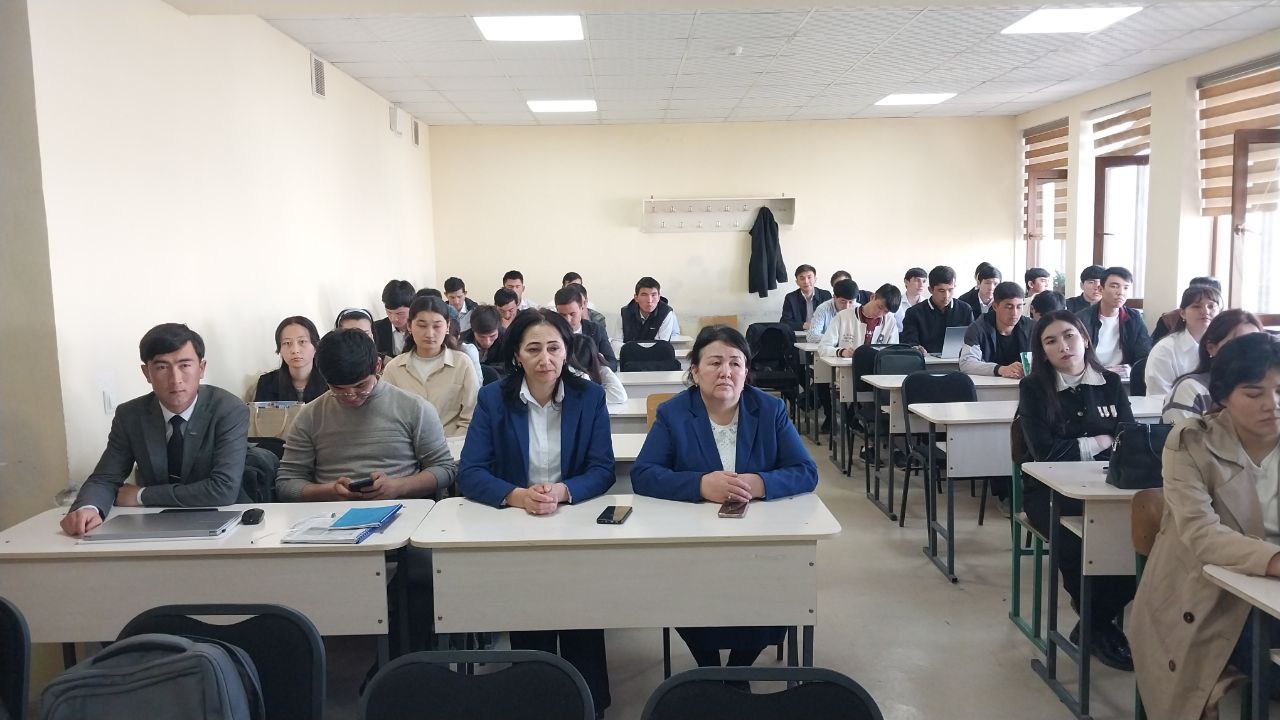
A seminar-training was organized based on methodological recommendations developed within the framework of the Global Resource for Anti-Corruption Education and Youth Empowerment (GRACE) program.
A seminar-training was organized with the participation of active students of the Faculty of Natural Sciences based on methodological recommendations developed within the framework of the Global Resource for Anti-Corruption Education and Youth Empowerment (GRACE) program.

During the seminar, the students were explained the concept of corruption, its types, issues of responsibility, the origin of some types of academic corruption, the reasons for the occurrence of corruption cases, as well as the critical and analytical report of our president dated March 5, 2025, as a consequence of ignorance of internal regulations, curricula and programs. Explanations were also given regarding the Resolution of the Cabinet of Ministers of the Republic of Uzbekistan “On approval of the Regulation on the procedure for rewarding persons who reported offenses of a corrupt nature or otherwise assisted in the fight against corruption.
To share:
807
Popular in other categories

The seminar held at the University of Cambridge contributed to expanding international cooperation ties.
As previously reported, an international seminar for leaders of higher education institutions in Central Asia is taking place at the University of Cambridge, United Kingdom,...
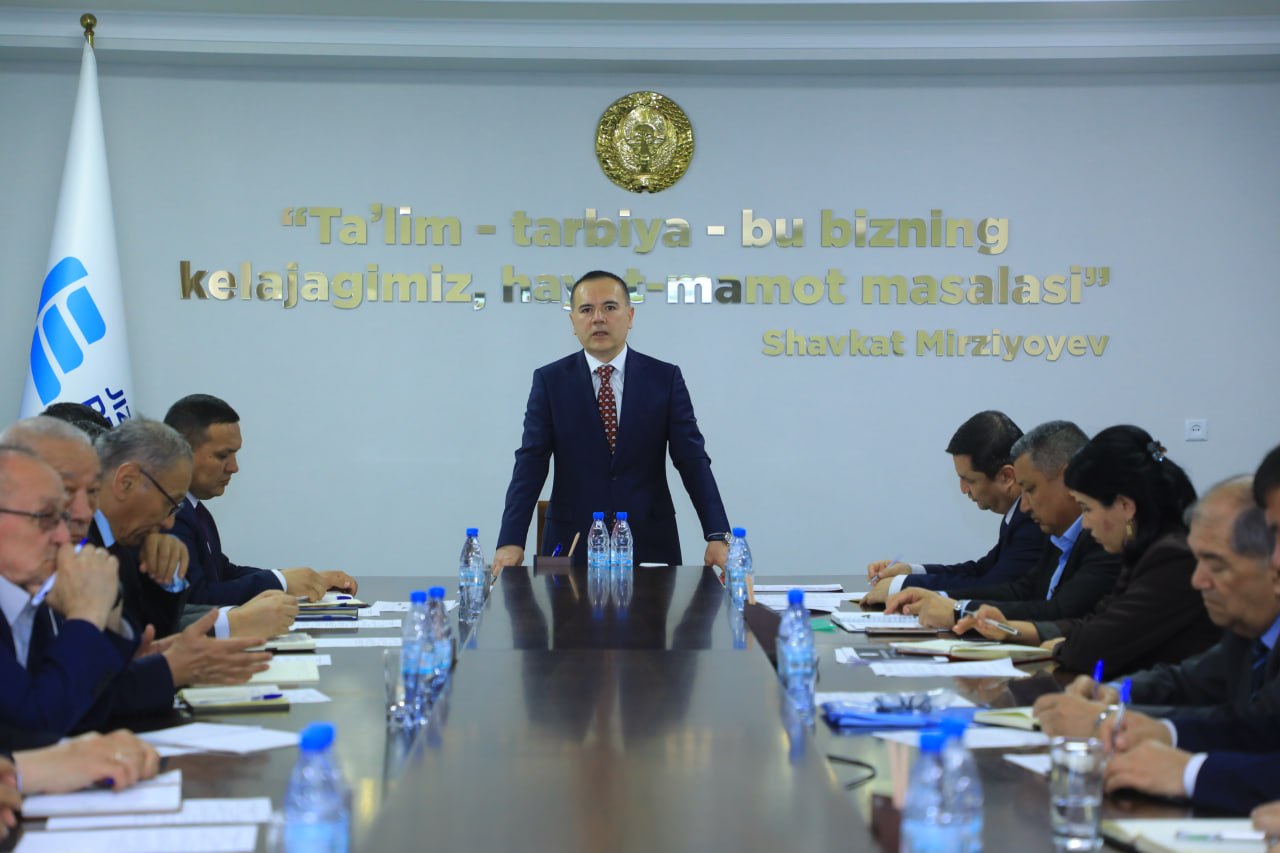
Professional development seminars are ongoing at JSPU. Cooperation with Ravshan Jo‘rayevich will be continued.
Saturdays have been designated as continuous professional development days for professors and teachers at Jizzakh State Pedagogical University. On these days, training seminars are regularly...
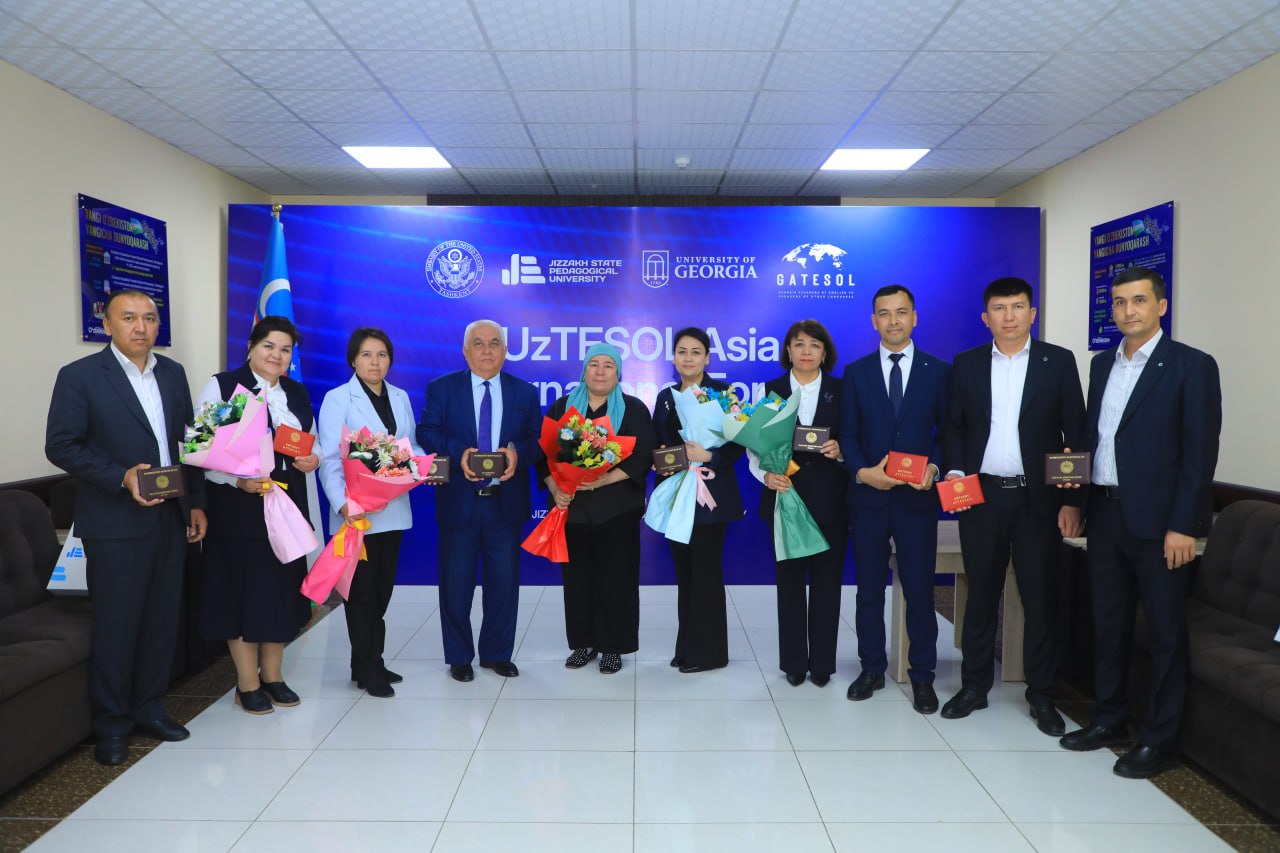
he “Global Citizenship Workshop” seminar-training was successfully concluded.
The “Global Citizenship Workshop” international seminar-training, organized at Jizzakh State Pedagogical University in collaboration with South Korea’s Kyungwoon University, has successfully concluded its work.