


-
Home

-
University
- Faculty of Physics and Technological Education
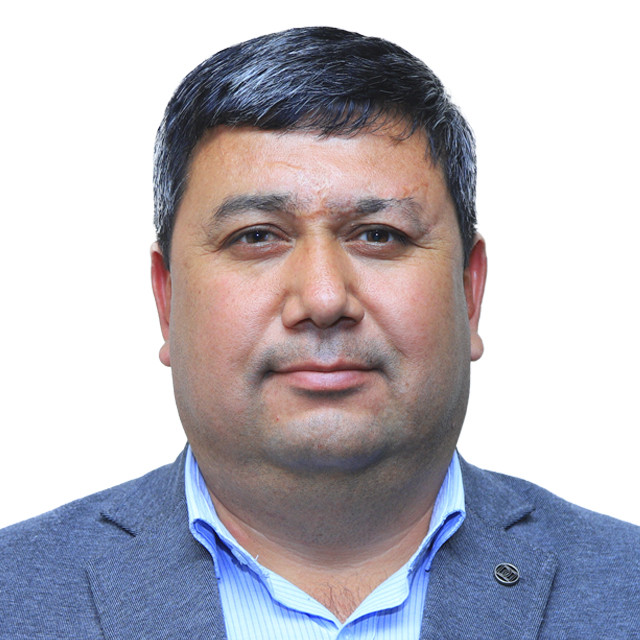
Yusupov Muhammad Maxmudovich
Dean of the faculty
Dean's Online Reception
Leading Faculty in Training Highly Qualified Specialists
The Faculty of Physics and Technological Education is one of the leading faculties of the university, training highly qualified specialists in the fields of pedagogy, engineering, fine arts, and technology. Graduates of the faculty demonstrate their potential not only at the national but also at the international level. During their studies, students acquire not only theoretical knowledge but also practical skills, as well as competencies necessary for research and pedagogical activities. This enables them to successfully work in the fields of science, education, and technological innovation.
Graduates of the faculty can continue their professional careers as teachers in schools, specialists in vocational educational institutions, research staff in research institutes, or lecturers in higher education institutions.
Training at the faculty is conducted in the following areas: “Physics and Astronomy,” “Technological Education,” “Design and Technology of Light Industry Products,” “Fine Arts and Engineering Graphics,” “Design,” “Painting,” and other related fields. Students are provided with modern laboratories, technical facilities, and a highly qualified teaching staff.
Faculty on
social media
Educational Programs
Academic Departments
Employees
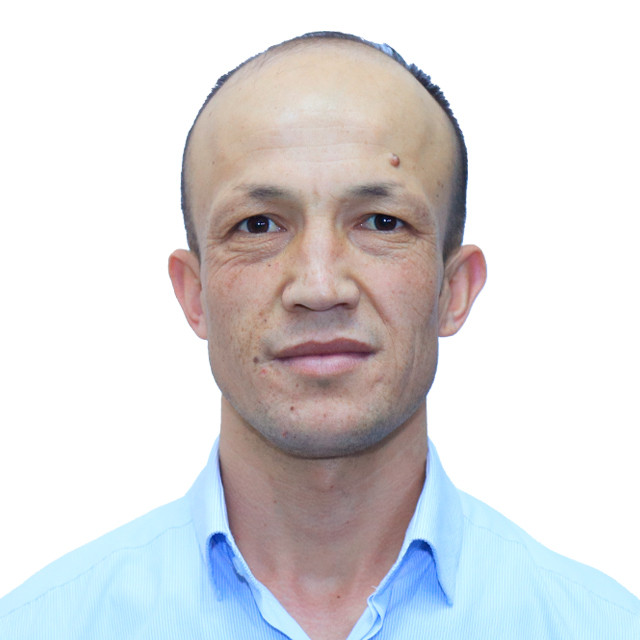
Yo‘ldoshev Mirjalol Qosim o‘g‘li
Dekan muovini

Nurbekova Yulduz Akmal qizi
Tyutor
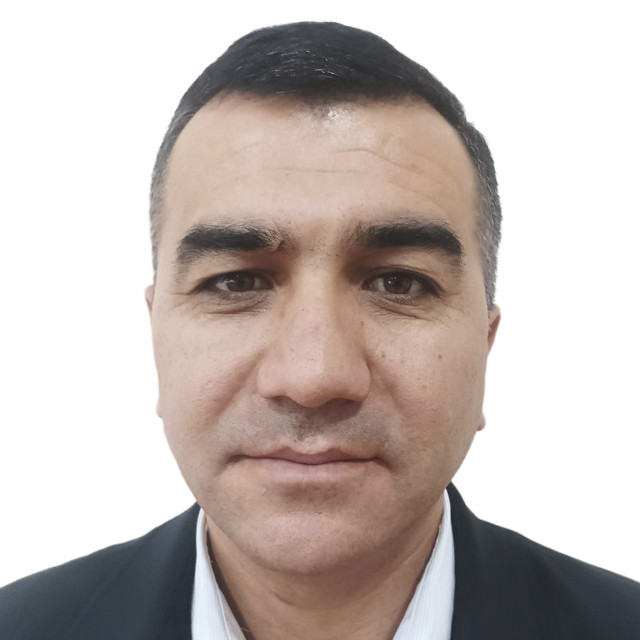
Atavullayev Uygun Sayitkulovich
Tyutor
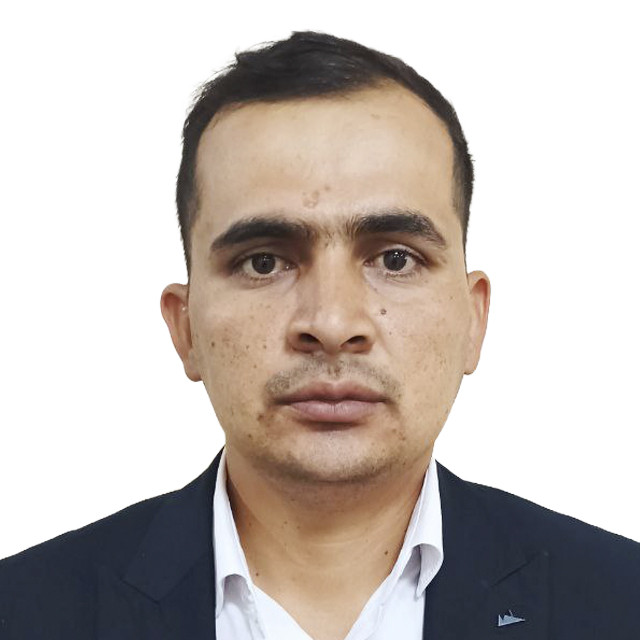
Mamarasulov Shohrux Nabi o‘g‘li
Tyutor

Almardonova Nafisa Baxtiyor qizi
Tyutor
Faculty history
Establishment of the Faculty of Physics and Technological Education
The Faculty of Physics and Technological Education was established in 1974 as part of the expanding academic structure of the Jizzakh State Pedagogical Institute. At that time, training specialists in technical disciplines was considered a critical task. For this reason, the Department of “General Technical Education and Physics” was organized within the Faculty of Mathematics. Although the department initially operated as part of another faculty, it soon became an independent methodological direction.
The first head of the department was Senior Lecturer Abdurakhim Nomozov. He played a significant role in developing the initial curricula, introducing experimental programs, and organizing the educational process. The main disciplines of the department were physics, fundamentals of technology, and drafting, with the primary goal of fostering technical thinking among students.
In 1976, the department was transformed into an independent faculty. The educational and material base was strengthened, the teaching staff was expanded, and specialized laboratories and classrooms equipped with drafting tables and technical equipment were established. In 1977, two independent departments were created within the faculty: “General Technology” and “General Physics,” laying the foundation for further specialization and in-depth study of disciplines.
Stages of Development
Over the years, the faculty has undergone several name changes and organizational restructuring. Initially, it functioned as the “Faculty of General Technical Sciences and Labor Education,” later becoming the “Faculty of Labor Education,” then the “Faculty of Informatics and Labor Education,” and in subsequent years, it adopted its current name — the Faculty of Physics and Technological Education. These changes were driven by the evolving needs of the education system and the development of new training directions.
In different years, the faculty was led by experienced and authoritative educators: Sa’dulla Sidiyarov, Gafir Kudratov, Kholbuta Turakulov, Sadyk Usmanov, Abdumumin Kushokov, Abduvali Shamsiyev, Muzraf Rabbimov, Bakhtiyor Ergashev, and others.
Over the decades, two leading departments have played a key role in the faculty’s structure. The Department of “Physics and Its Teaching Methodology,” established in 1981, became a center for scientific and methodological work. In different years, it was headed by educators such as Boymurod Sultanov, Mamajon Zakirov, Jahongir Rasulov, Shermukhammad Doniyorov, and Rakhmatilla Bekmirzayev. Within the department, dozens of textbooks and monographs were published, along with hundreds of scientific articles.
Another key department of the faculty is “Technological Education and Fine Arts,” founded in 1977. It played a significant role in the development of applied and artistic training directions. Notable educators such as Isomiddin Jumaev, Pardoboy Khudoyberdiyev, and Muhammad Yusupov worked here.
Current Activities
Today, the Faculty of Physics and Technological Education continues its work, building on historical traditions and a modern scientific approach. It comprises two leading departments: “Physics and Its Teaching Methodology” and “Technological Education and Fine Arts.” The faculty employs 57 lecturers, including 1 Doctor of Sciences, 8 Candidates of Sciences, and 6 Associate Professors.
The faculty educates 786 students in the following programs: Physics and Astronomy (392 students), Technological Education (161 students), Fine Arts and Engineering Graphics (114 students), Easel Painting (57 students), and Clothing and Fabric Design (62 students). The faculty has graduated over 3,000 specialists, many of whom hold responsible positions in the education system and public service. Among them are the rector of Jizzakh State Pedagogical University, Sharipov Shavkat Safarovich, and the deputy head of the Jizzakh Region Internal Affairs Department, Abdullayev Olim Makhkamovich.
The faculty maintains active scientific and academic ties with several international institutions, including the Joint Institute for Nuclear Research in Dubna (Russia), Bashkir State University, the National University of Kazakhstan, and others. Faculty members and students regularly participate in internships, scientific conferences, competitions, and grant projects.
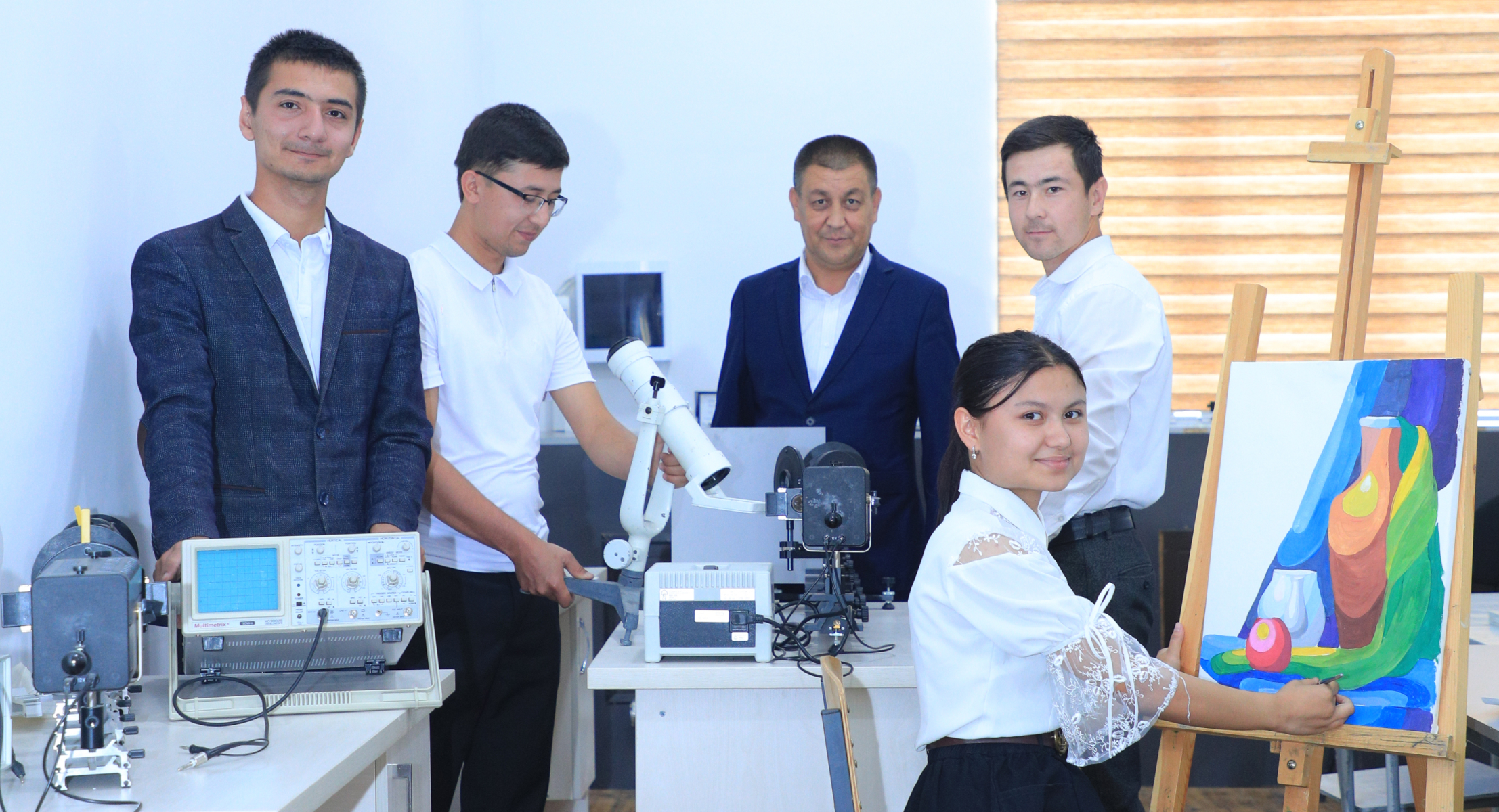
The faculty is equipped with specialized laboratories, modern technical equipment, creative clubs, and workshops. Here, students acquire not only theoretical knowledge but also practical skills necessary for professional activities. The faculty continues to train proactive, competent, and in-demand pedagogical personnel for modern society.
History in dates
Photo Gallery
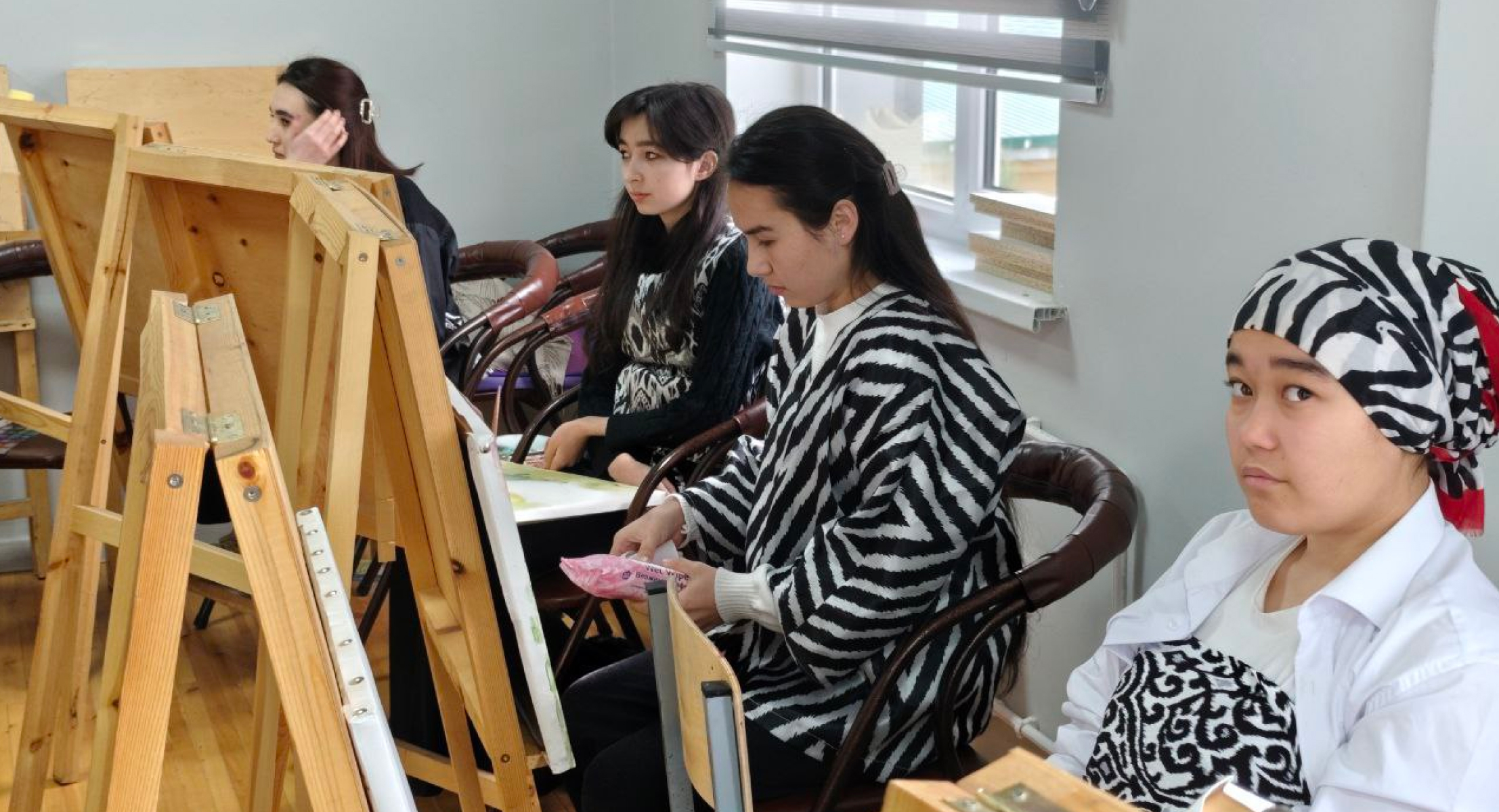
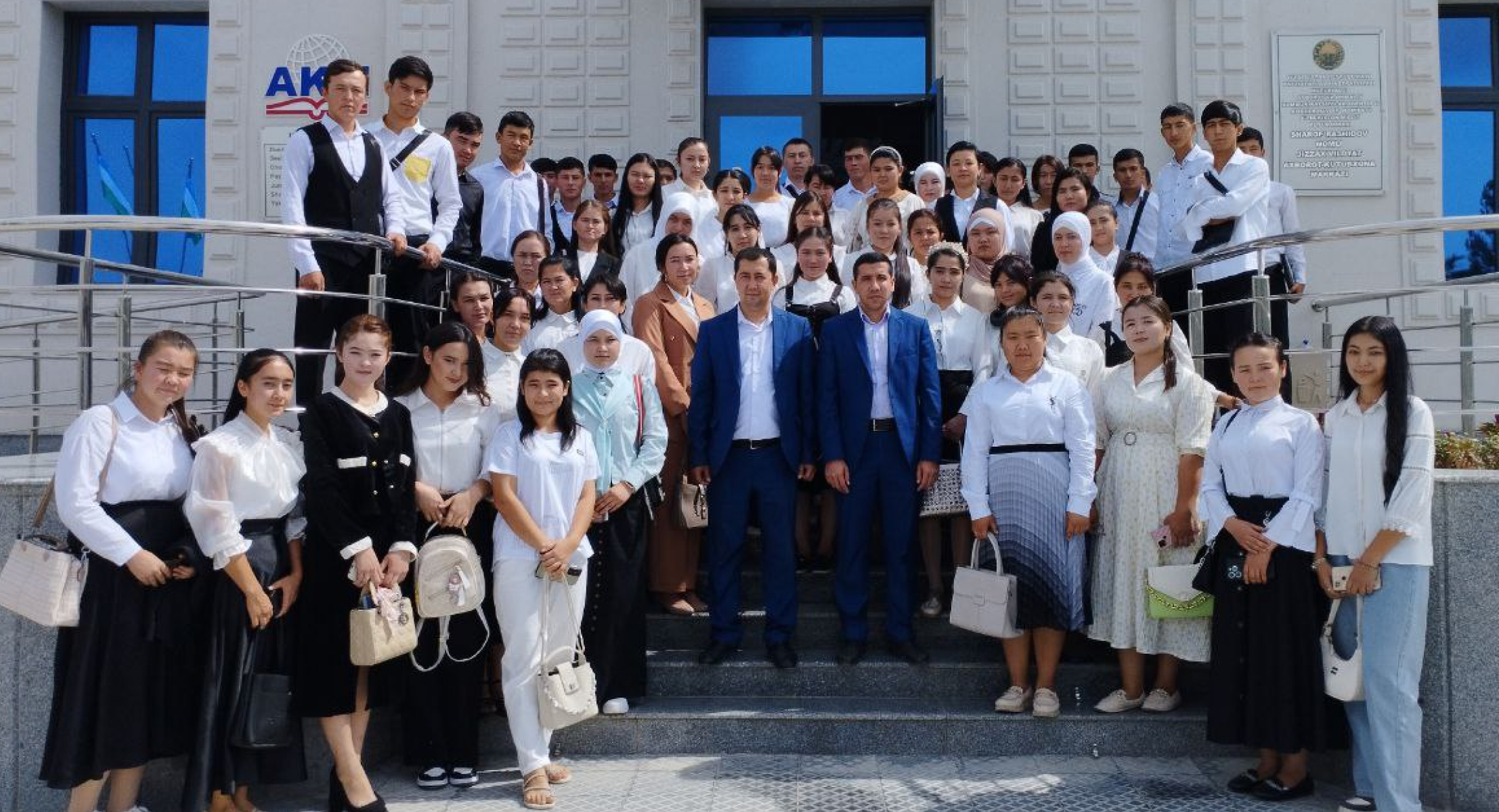
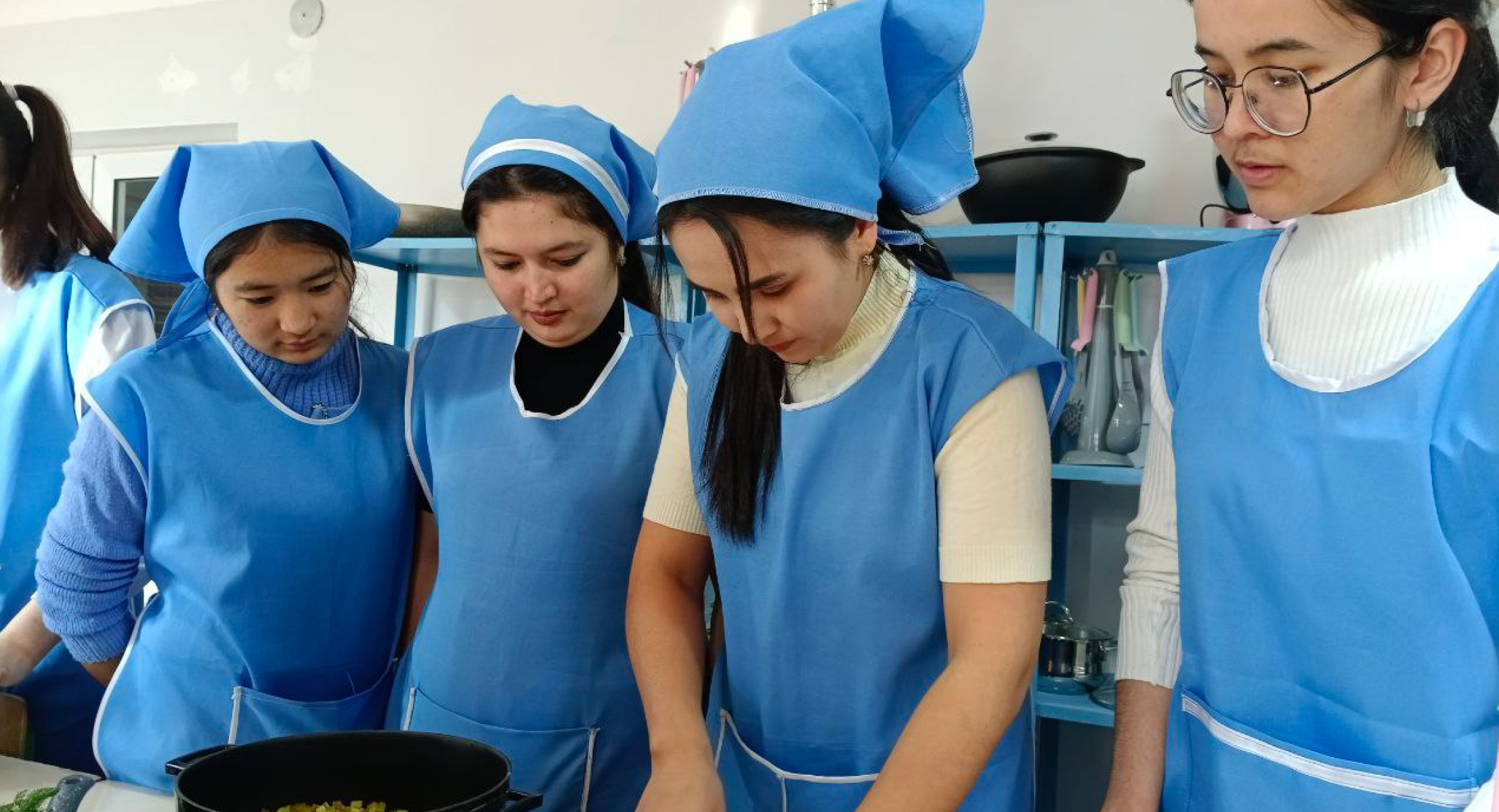
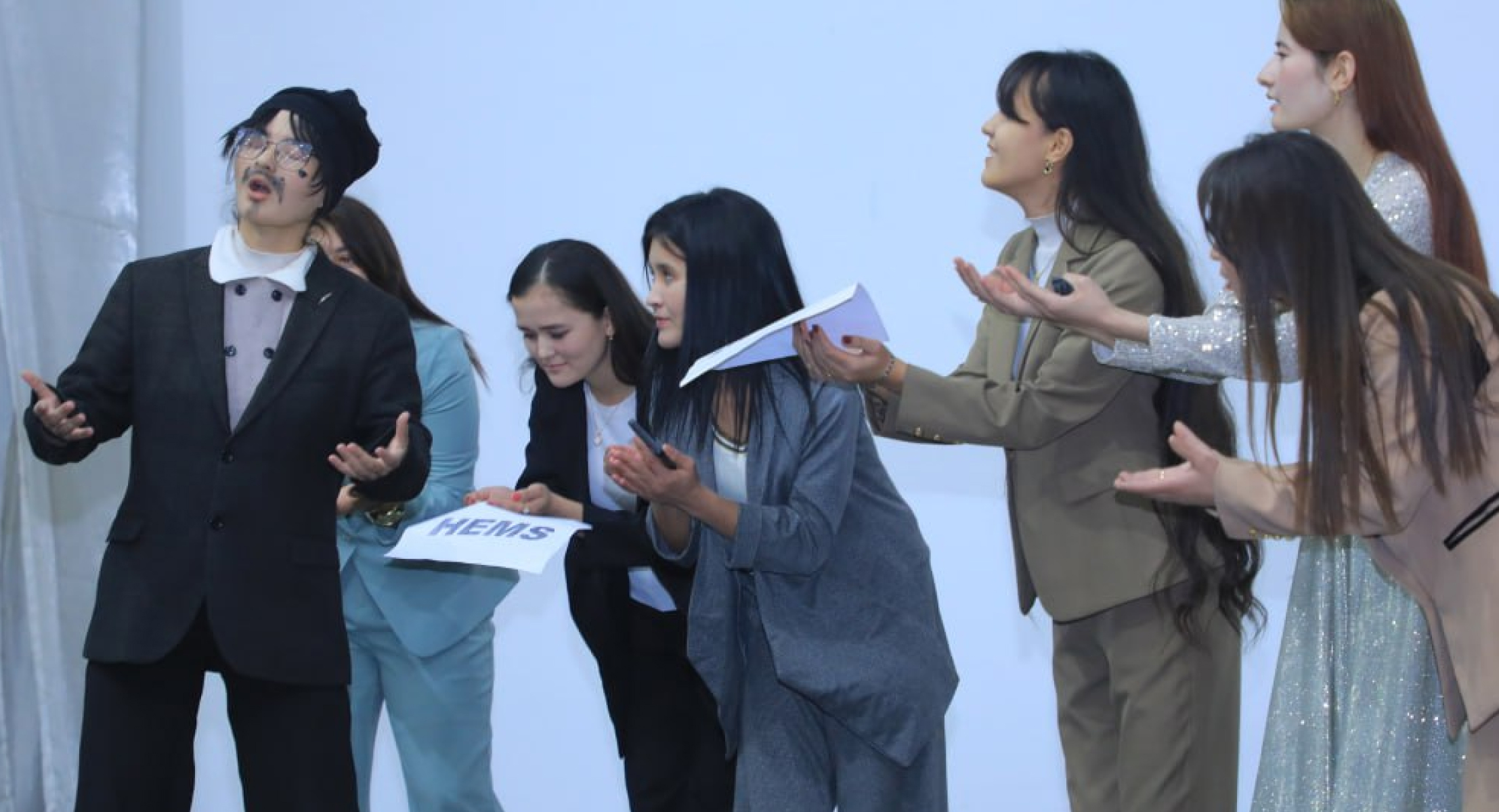
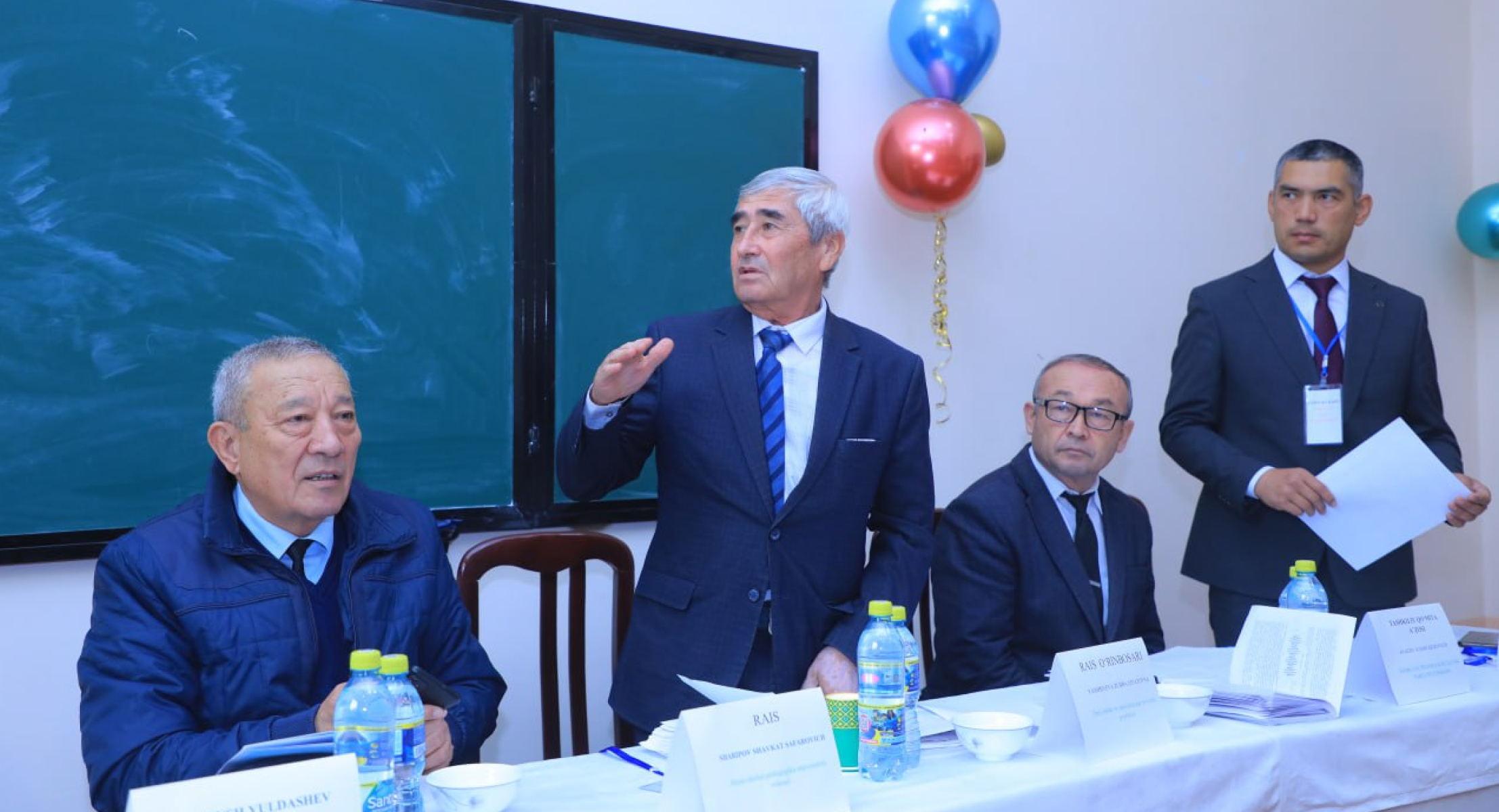
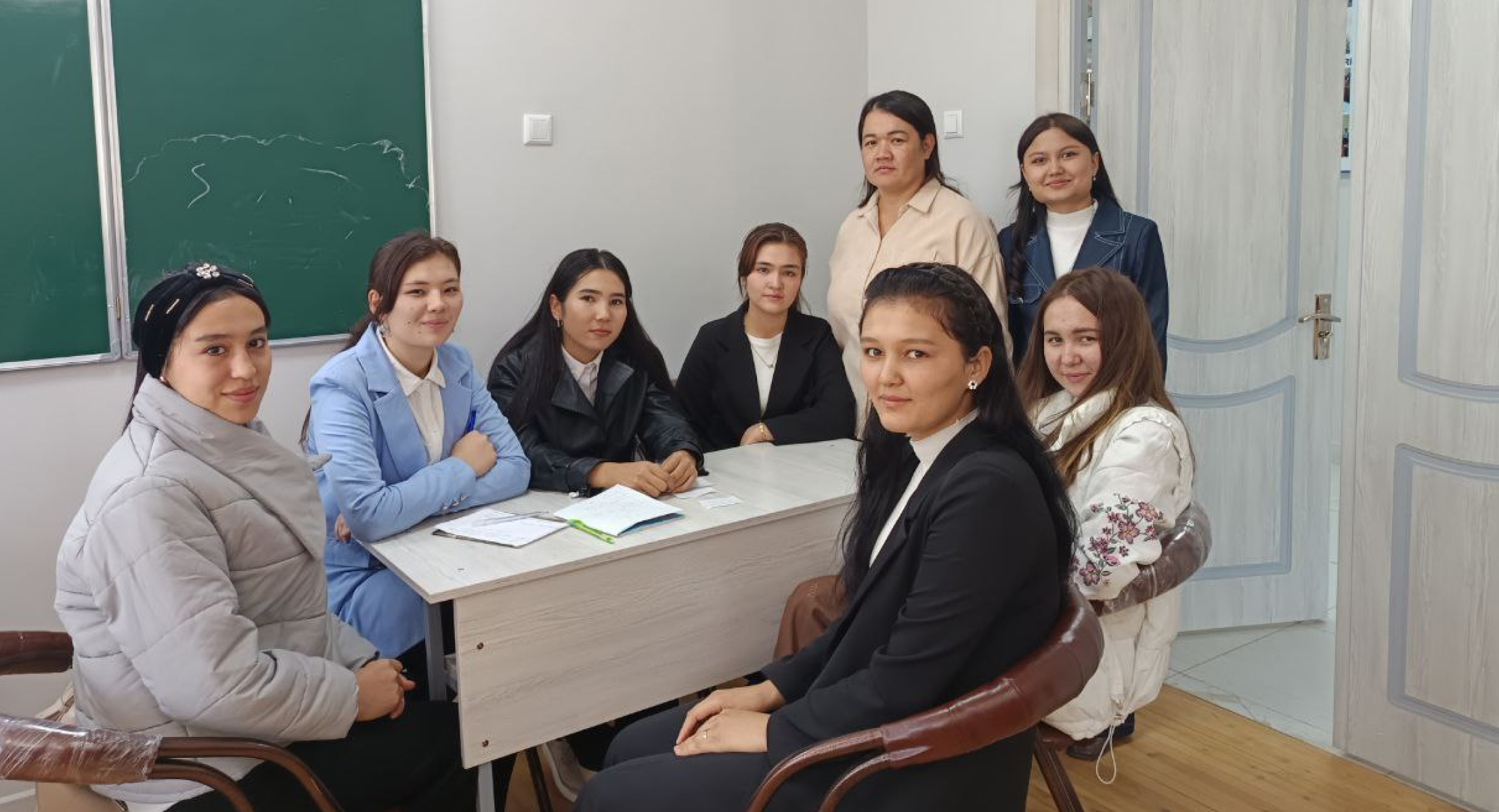
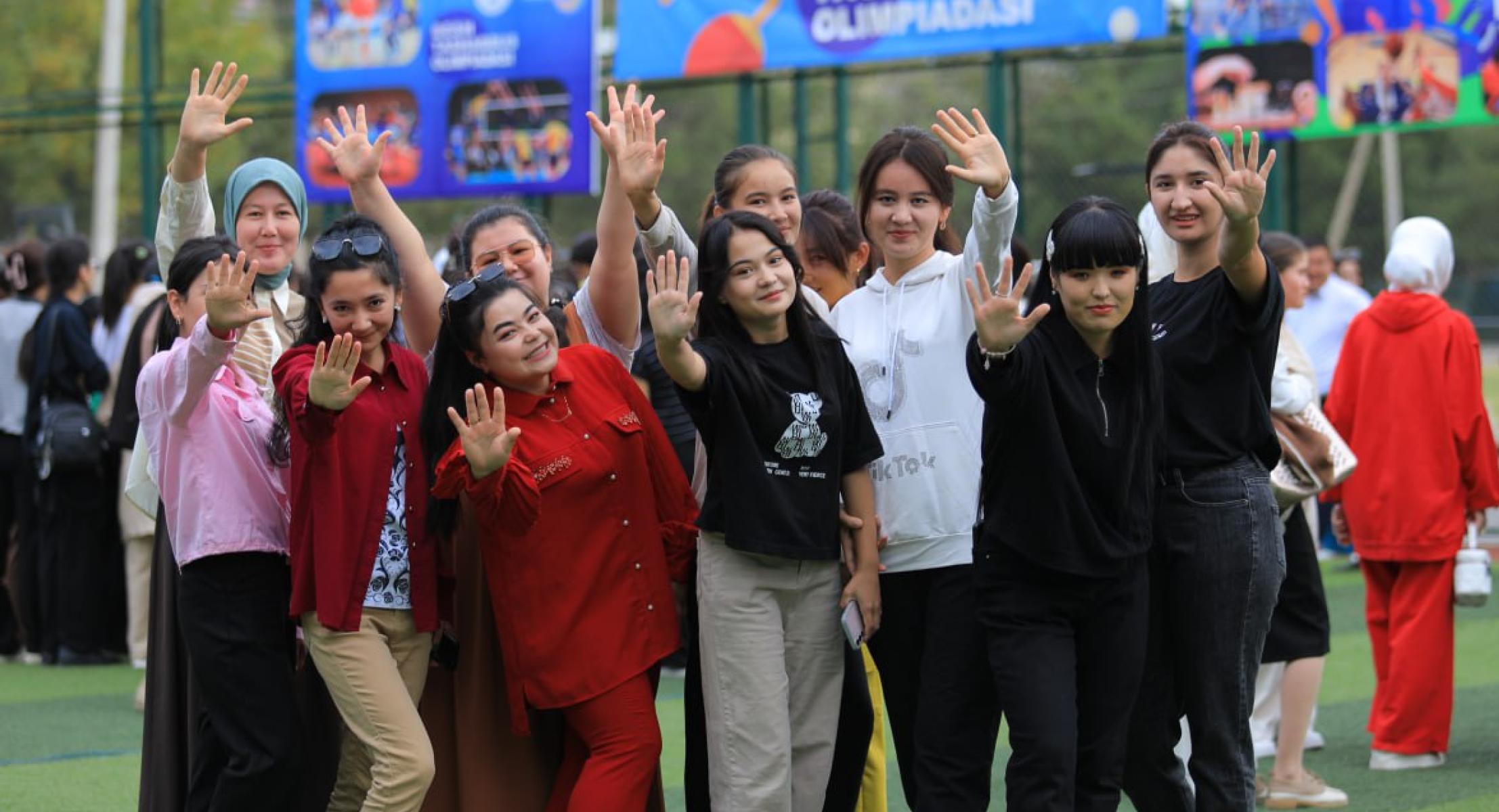
In our photo gallery, you can explore bright moments of faculty life: educational events, scientific conferences, creative exhibitions, and everyday student life.
Frequently Asked Questions (FAQ)


-
Educational Directions
-
Activity
-
Applicants
-
Students