


-
Home

-
University
- Department of Uzbek Language and Literature
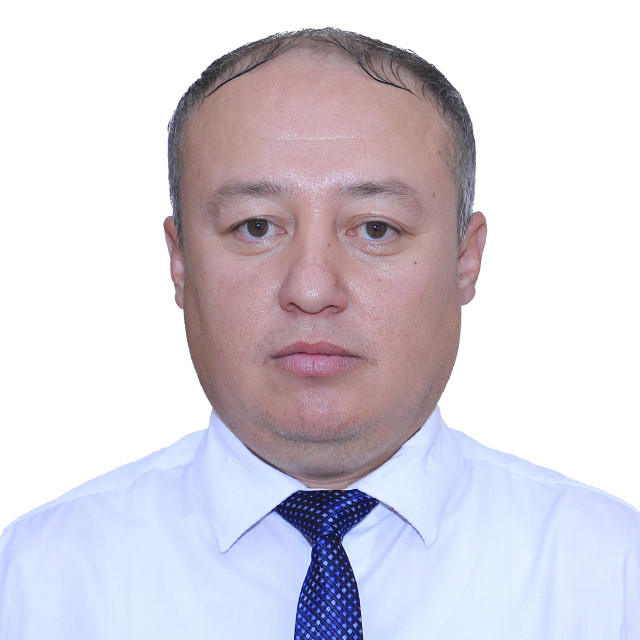
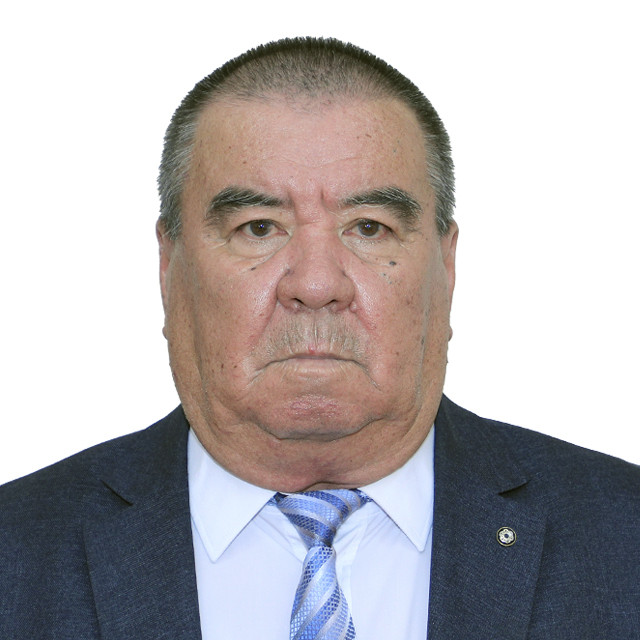
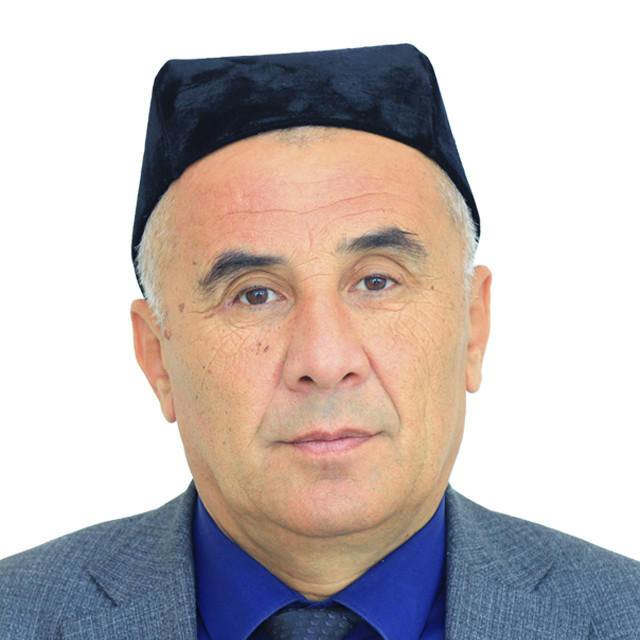
Jo‘rayev Murodulla Alishboyevich
Head of Department
Online Reception of the Head of Department
Department of Uzbek Language and Literature – Center for Integration of Literary Heritage, Linguistics and Modern Education
The Department of Uzbek Language and Literature provides students with in-depth knowledge of their native language and literature, solid methodological preparation and creative thinking. The curriculum includes such areas as the history of the Uzbek language, modern linguistics, literary theory, literary history, artistic analysis and criticism. Students develop skills in analyzing works of art, writing scientific articles and conducting practical classes. The department’s scientific research is aimed at the role of language and literature in modern education, the introduction of national heritage into the educational process, and the organization of cultural and educational events. Students regularly participate in literary evenings, creative meetings and competitions. Graduates work as teachers of language and literature, journalists, editors and research workers.
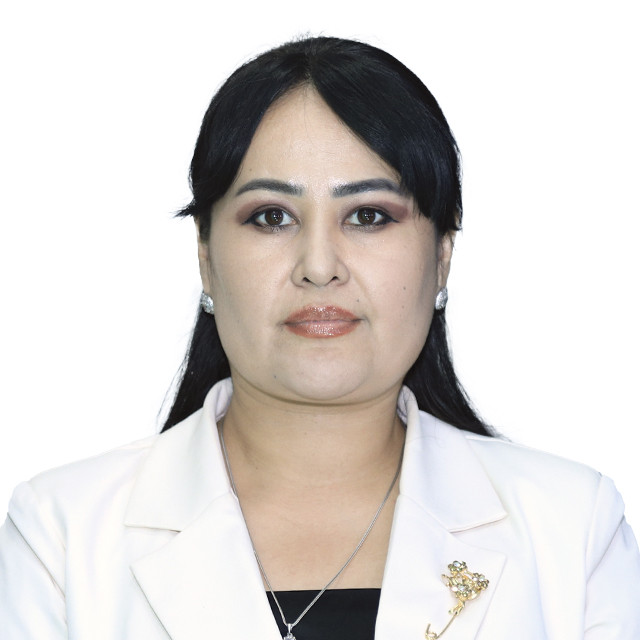
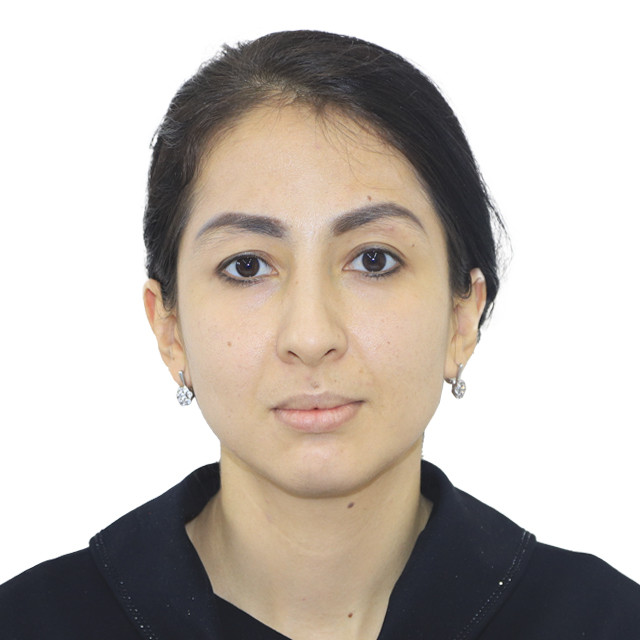
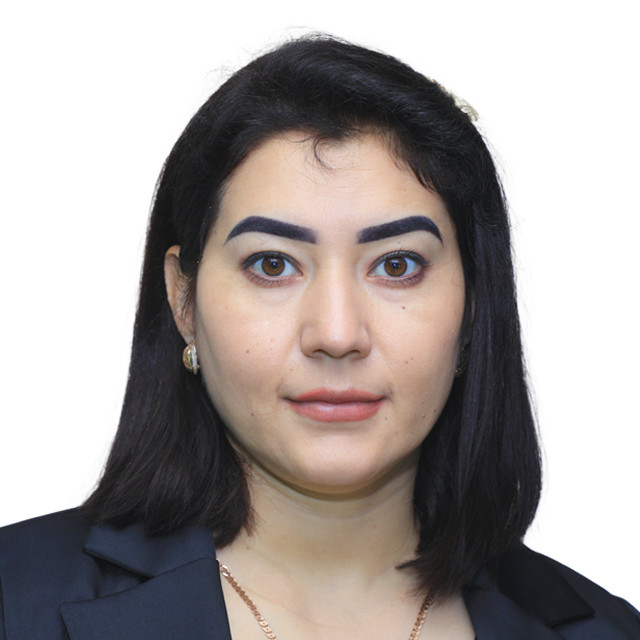
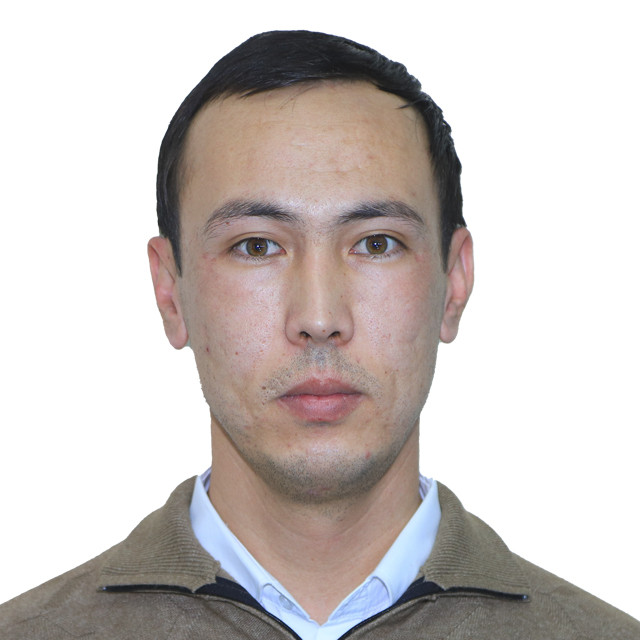
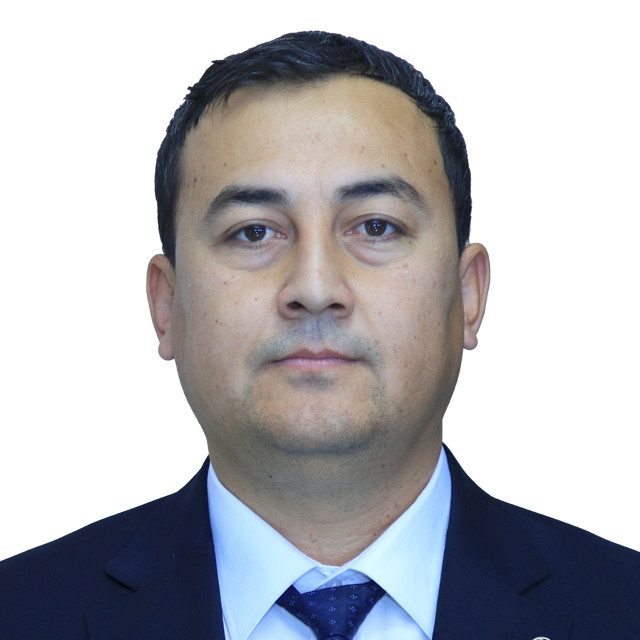
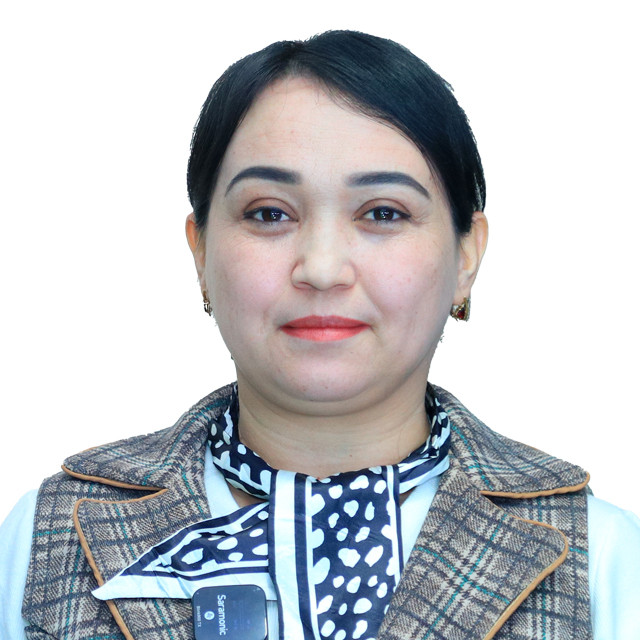
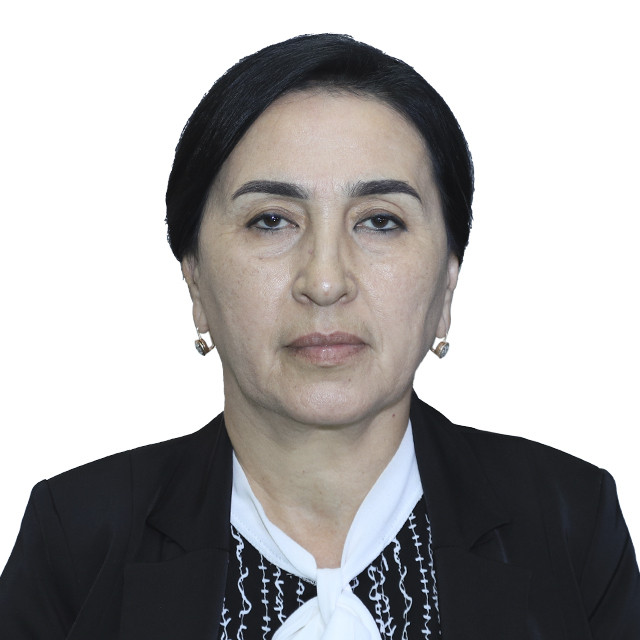
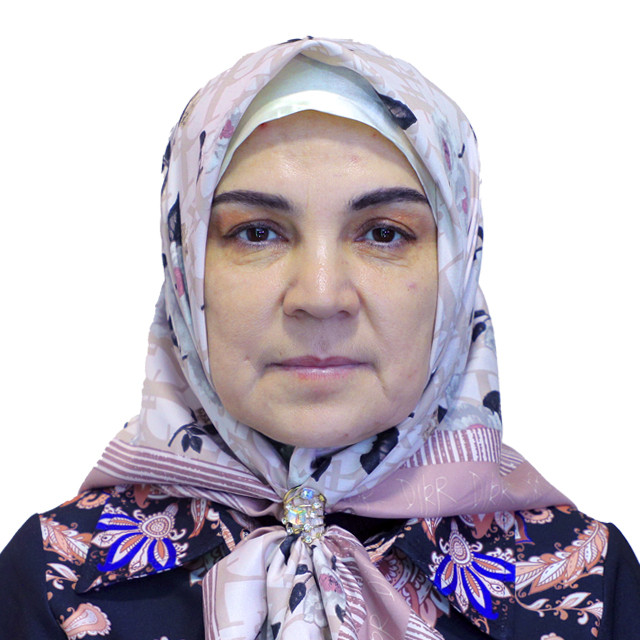
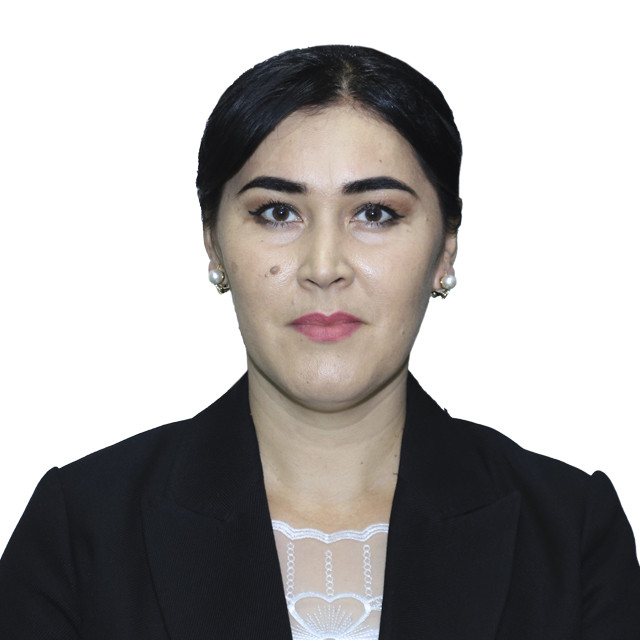
Employees
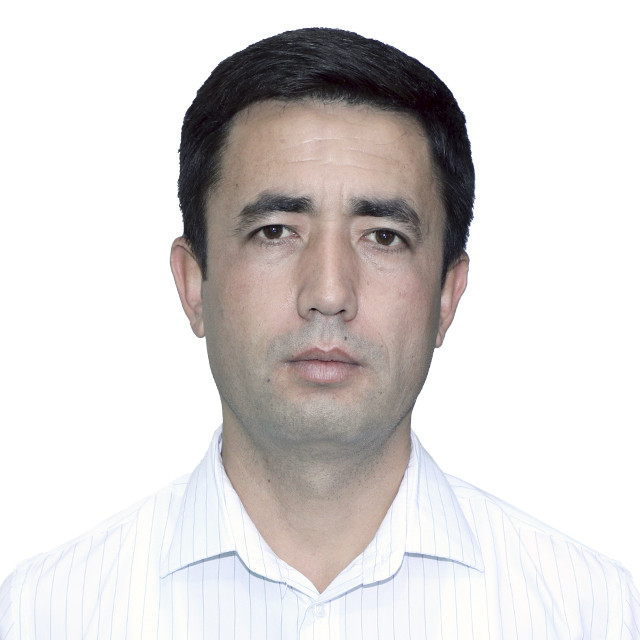
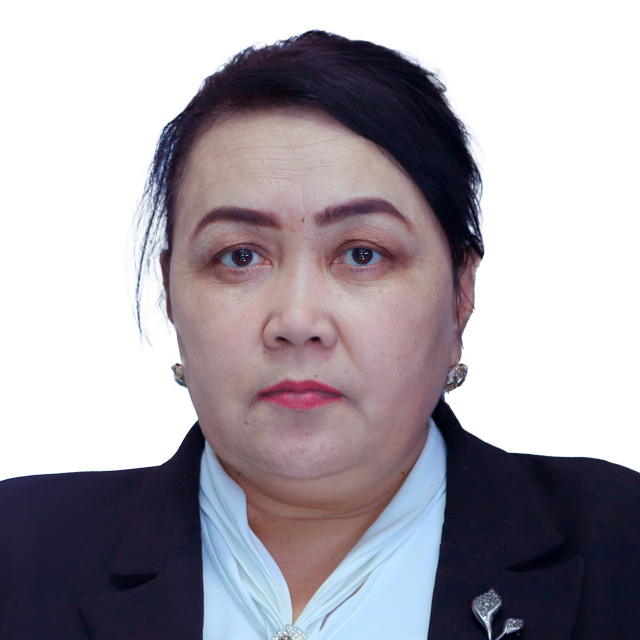
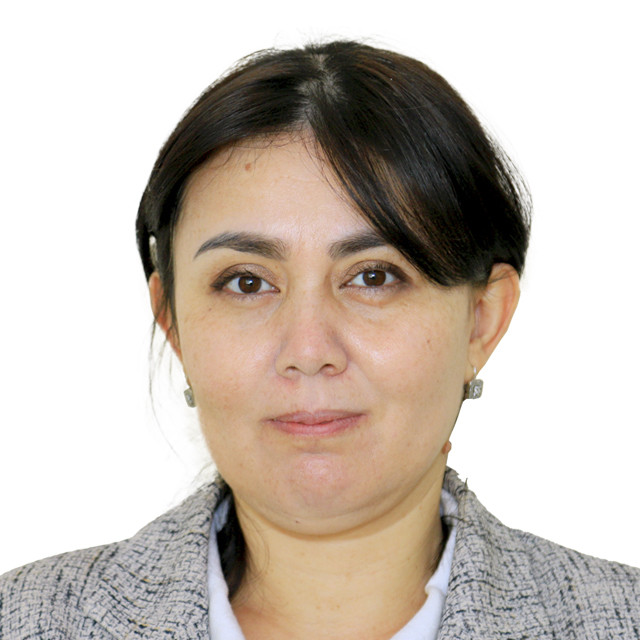
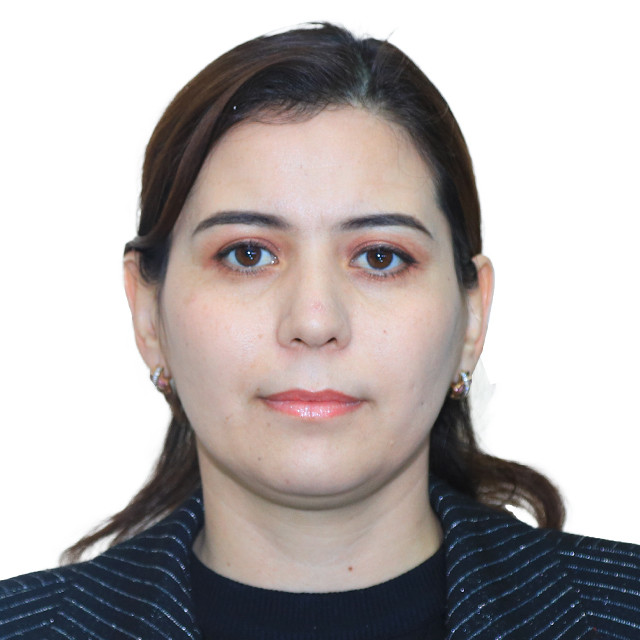
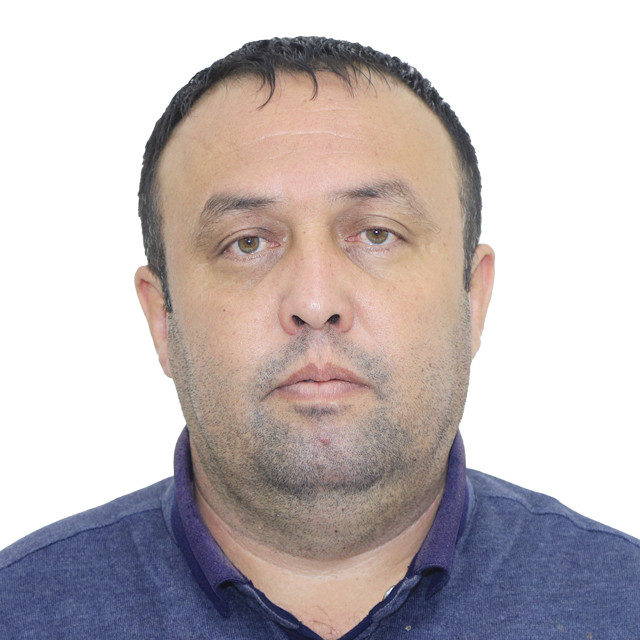
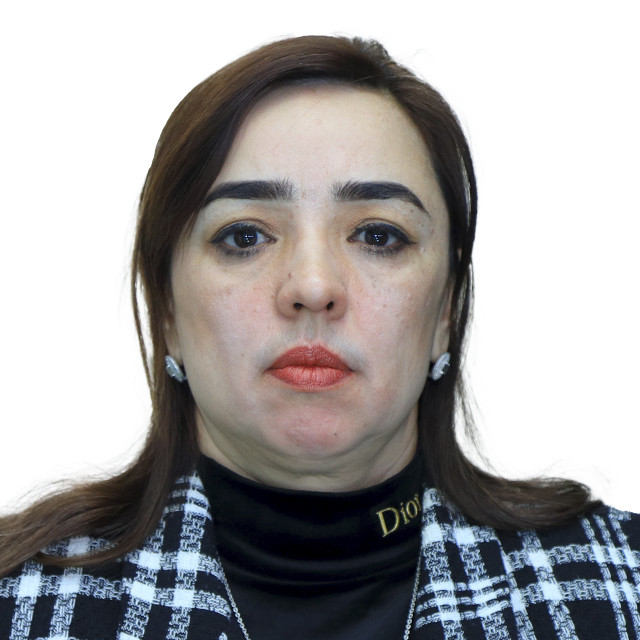
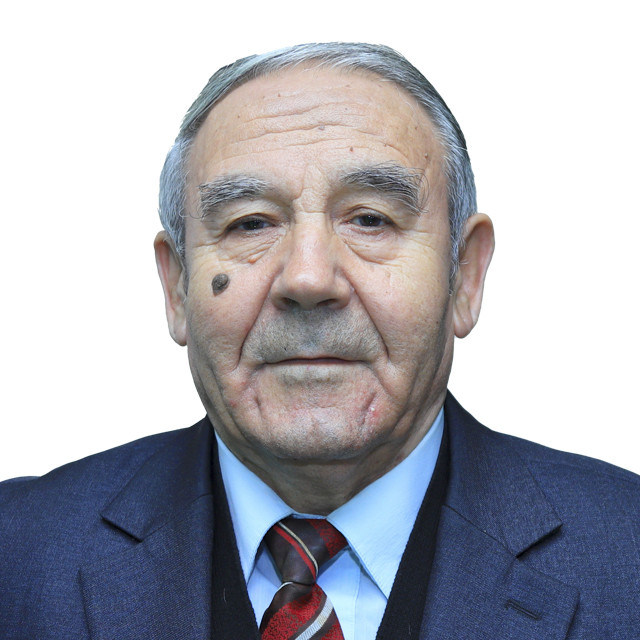
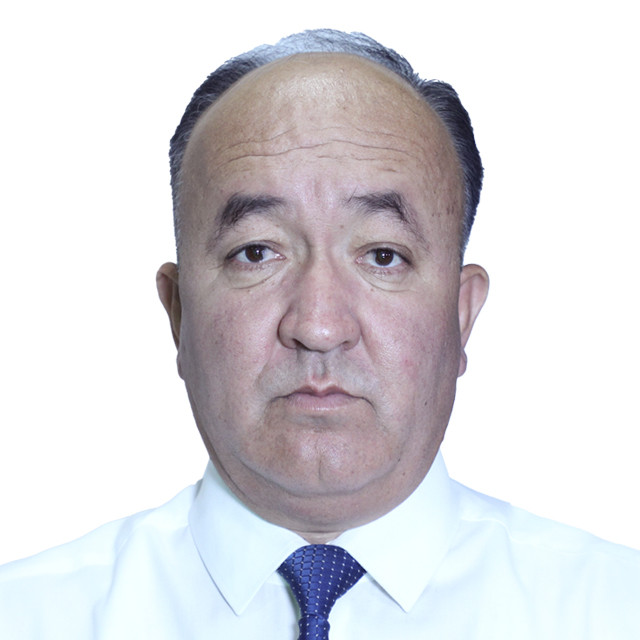
Department History
Organization
The Department of Uzbek Language and Literature was formed in the early years of the university (at that time the institute) as a core department of the Uzbek philology department. Initially, the educational process was organized around the directions of “Uzbek Linguistics” and “Uzbek Literature”, and the department was tasked with in-depth teaching of the Uzbek language and literature, creating methodological foundations, and training highly qualified teaching staff for schools. From the initial period, a team of experienced linguists, literary scholars, and methodologists was formed, and a system of curricula, programs, and practical exercises was developed.
Development stages
In the following decades, the department expanded its educational, methodological, and scientific activities: programs were enriched with modern philological approaches, and experiments were launched to integrate language and literature lessons. In the 1990s, methodological complexes and manuals on the methodology of teaching the native language were created, practical courses such as “Working in the State Language” were introduced. Since the 2000s, information and communication technologies have been consistently introduced into the educational process, electronic learning resources and elements of distance learning have been introduced. In recent years, the department has been structurally improved, and work has been systematized to teach the Uzbek language and literature as a whole concept, and to combine methodology with practice.
Current activities
Today, the department prepares bachelor’s and master’s degrees in the Uzbek language (phonetics, lexicology, grammar, stylistics), literary studies (history of literature, theory, textual studies), speech culture, and teaching methodology. Interactive methods, electronic textbooks, presentations, corpus linguistics tools and creative seminars are widely used in lessons. Scientific research is aimed at addressing current problems of Uzbek linguistics and literary studies, developing methodological solutions for schools and universities. The department cooperates with schools, research centers and publishing houses, and the prepared teaching and methodological materials are being introduced into educational practice.
History in dates
Photo Gallery
Video


-
Educational Directions
-
Activity
-
Applicants
-
Students