


-
Home

-
University
- Higher School of Philological Sciences and Pedagogy
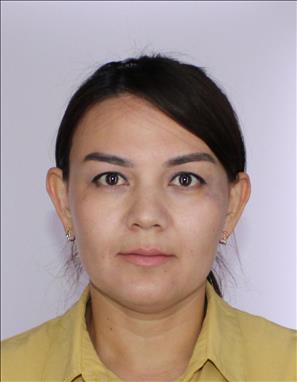
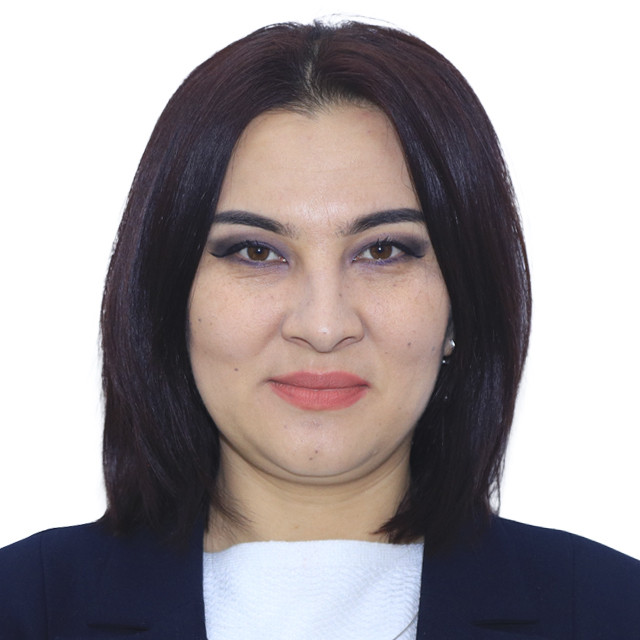
Uzoqova Shaxnoza Saibnazarovna
Dean of the faculty
Dean's Online Reception
Faculty Dedicated to In-Depth Study of National Language and Literature
The Faculty of Uzbek Language and Literature is a key scientific and educational center dedicated to the in-depth study, promotion, and transmission of the national language, literature, and culture to future generations. Its graduates work effectively in linguistics, literary studies, and pedagogy across various regions of the country.
Students at the faculty thoroughly study the theoretical and practical foundations of Uzbek language and literature, gaining modern knowledge and skills in linguistic analysis, textology, literary criticism, and teaching methodologies.
Graduates can pursue careers as teachers in schools and colleges, researchers, editors, linguists, literary scholars, or methodologists in cultural institutions.
Education at the faculty is conducted in directions such as “Methodology of Teaching Uzbek Language and Literature” and related fields. Students are provided with a rich literary heritage, modern scientific literature, advanced pedagogical technologies, and a team of experienced professors.
Faculty on
social media
Educational Programs
Academic Departments
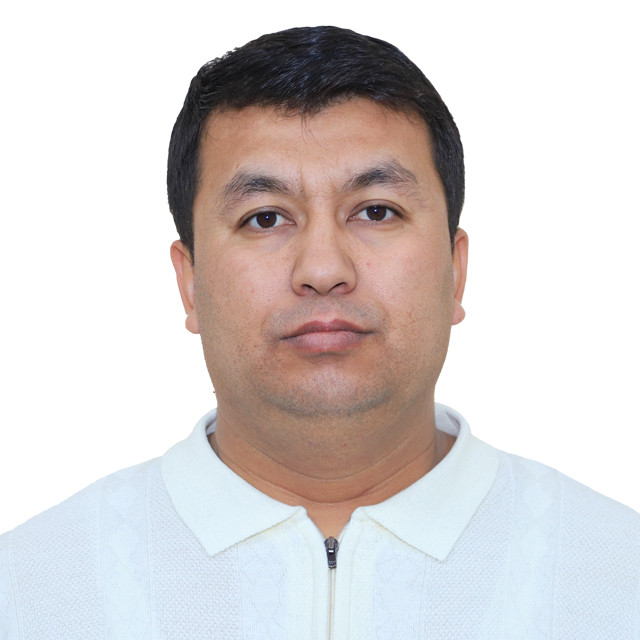
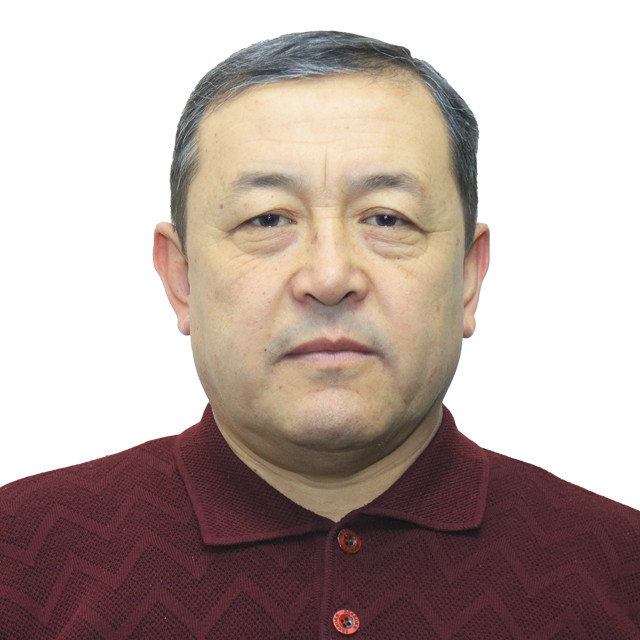
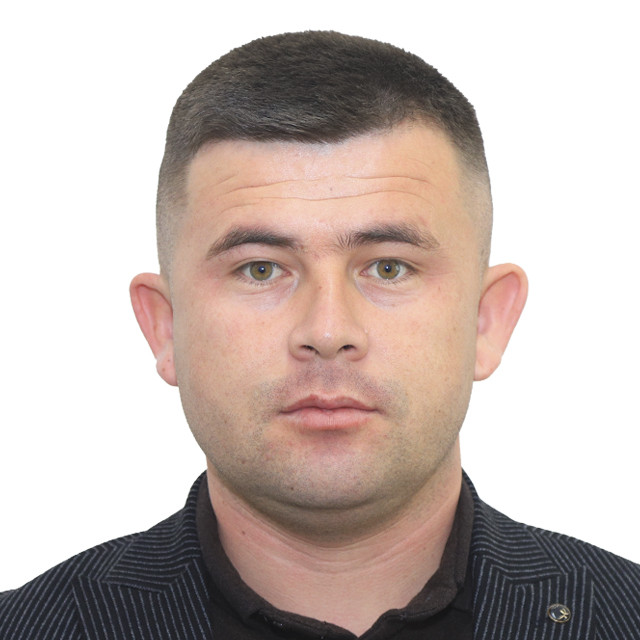
Employees
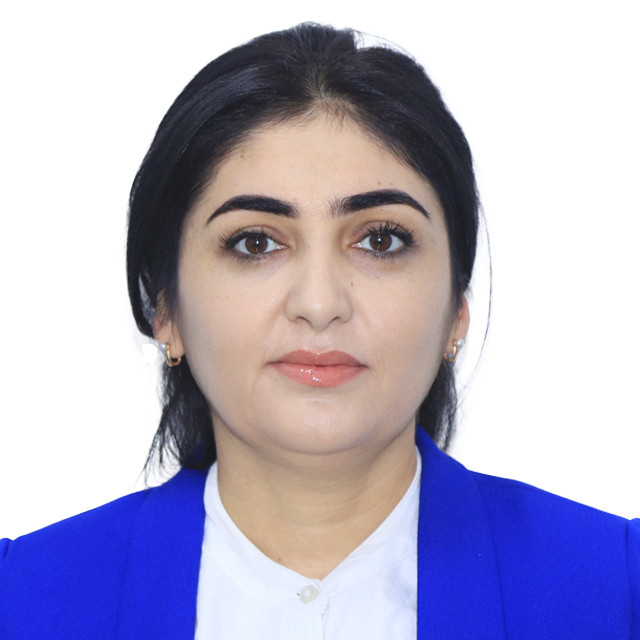
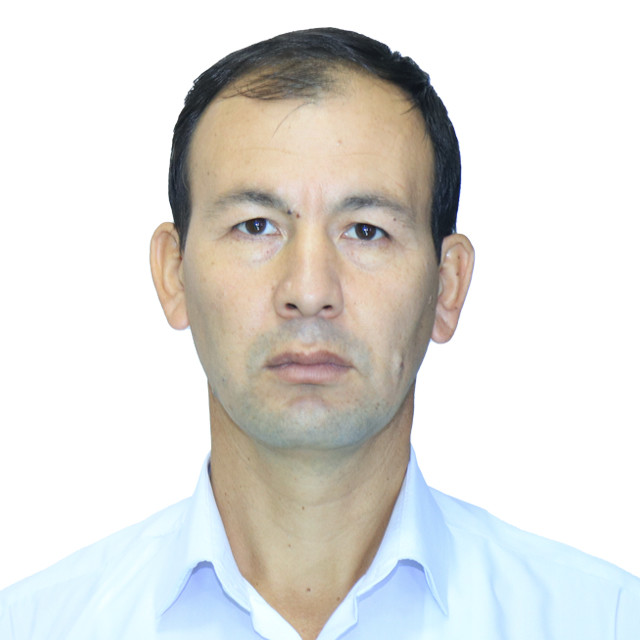
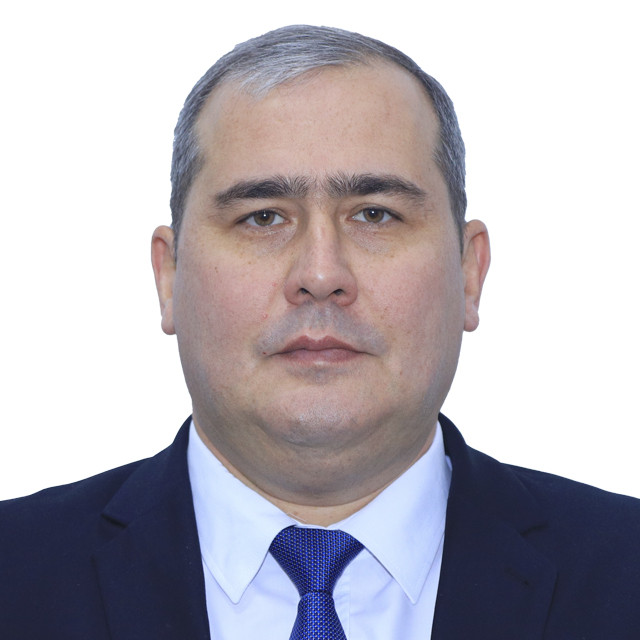
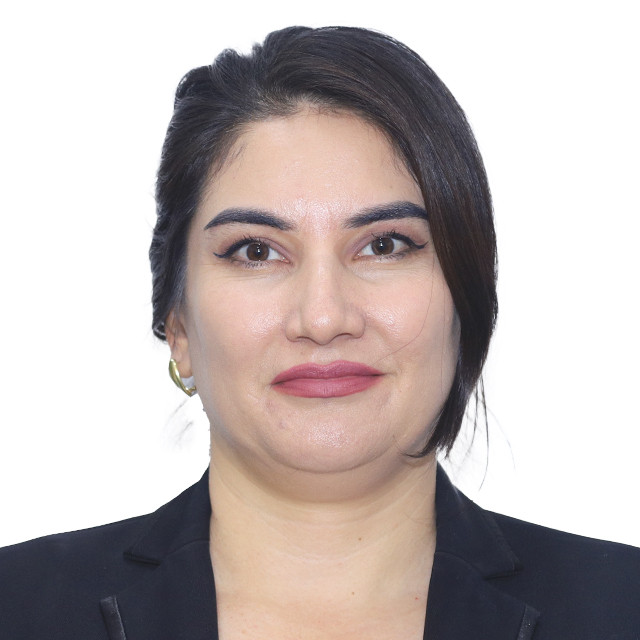
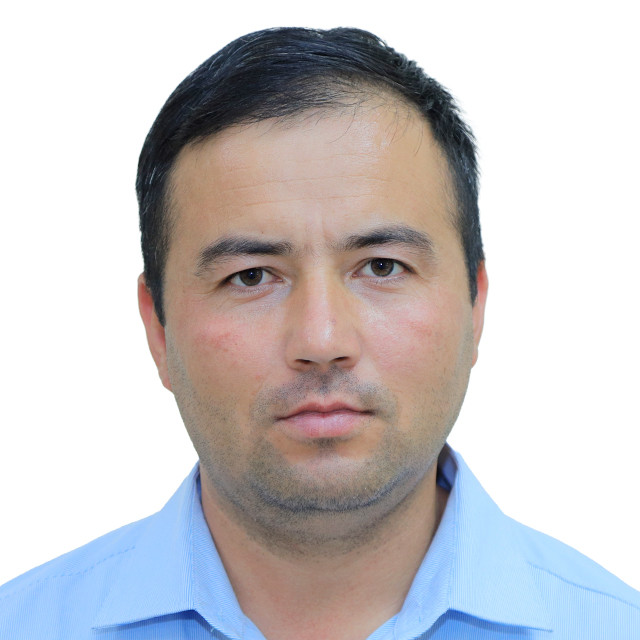
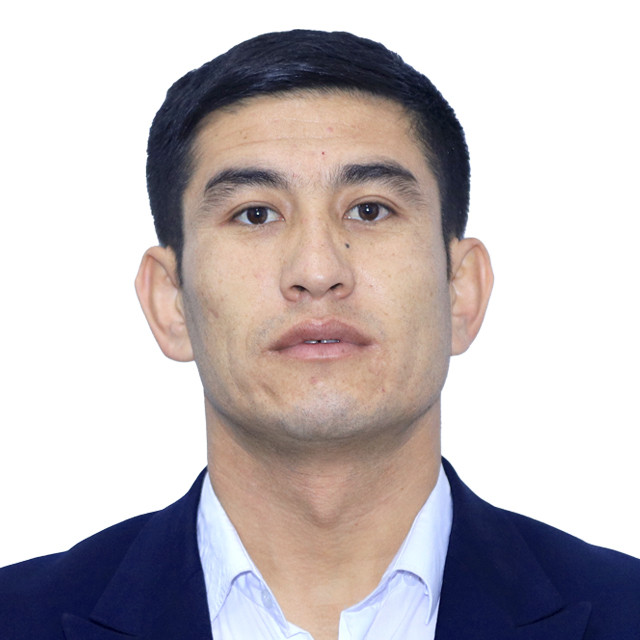
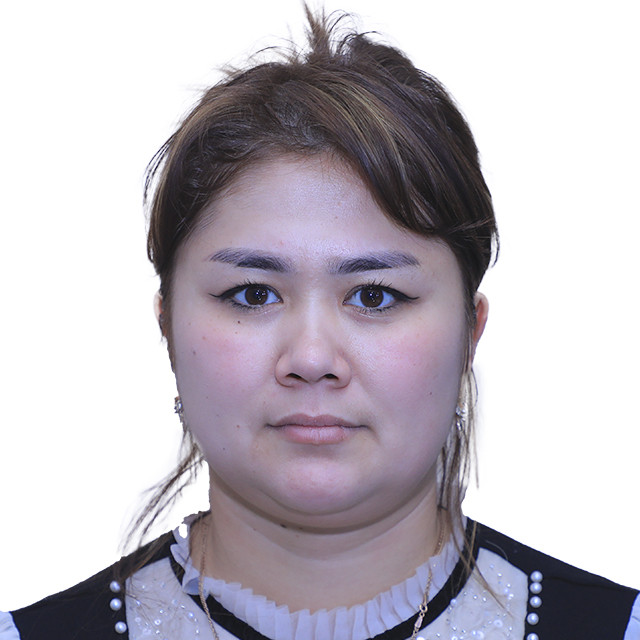
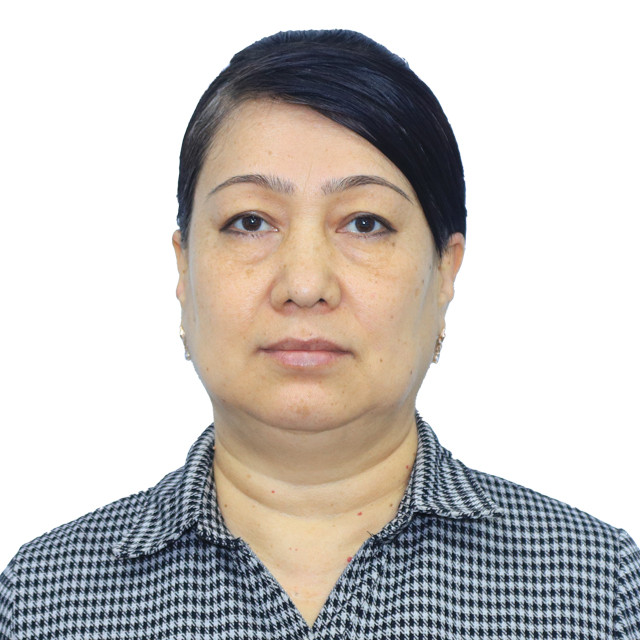
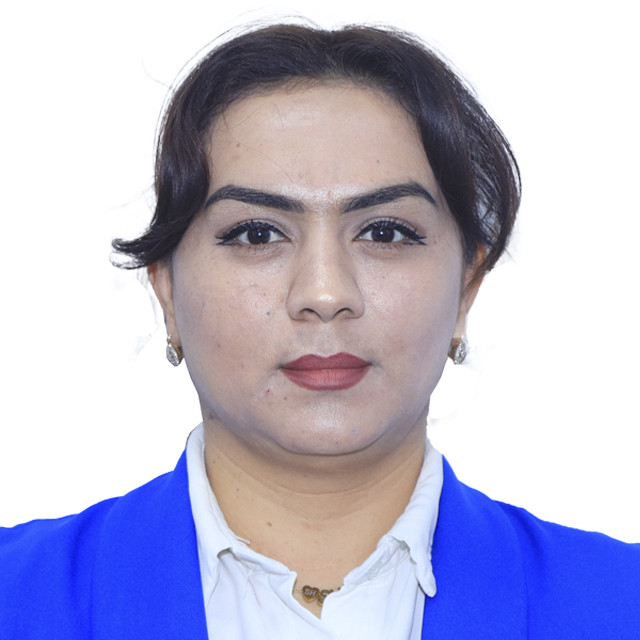
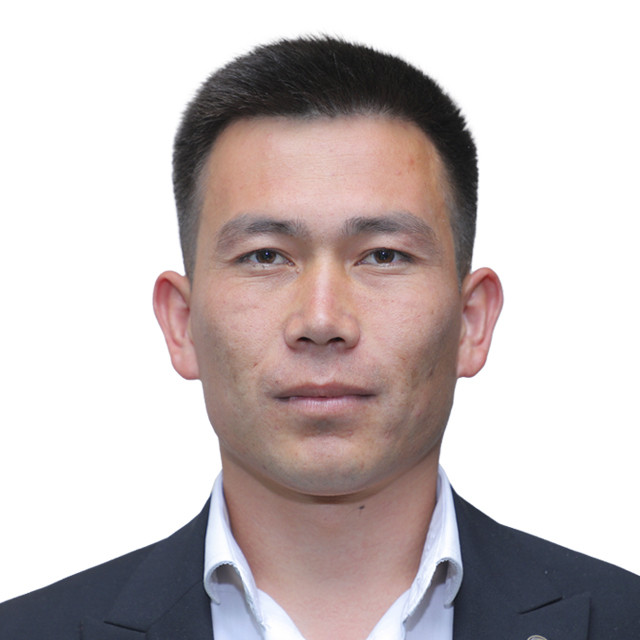
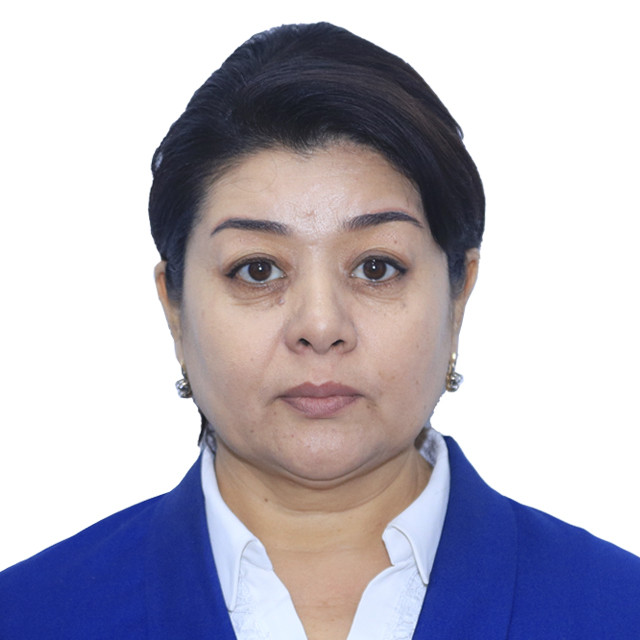
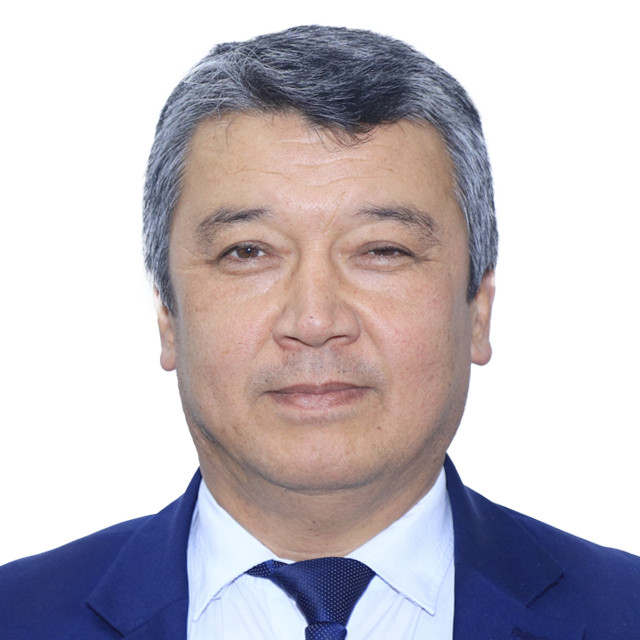
Faculty history
Establishment
The Faculty of Uzbek Language and Literature is one of the two main faculties established alongside the founding of Jizzakh State Pedagogical Institute in 1974. The first dean was Khudoybergan Jo‘rayev, a candidate of philological sciences and associate professor. In its early stages, the faculty operated with only nine instructors, training specialists in Uzbek Language and Literature, Russian Language and Literature, and Primary Education.
Initially, the faculty included the departments of “Uzbek Linguistics,” “Uzbek Literature,” and “Russian Language and Literature.” Classes were held on the first and second floors of the building now known as the “Monomarkaz for Serving the Unemployed Population” in Jizzakh city. In 1976, two separate faculties were spun off from its structure: the Faculty of Pedagogy and Primary Education Methodology and the Faculty of Russian Language and Literature. From this period, Mukhtor To‘ychiyev was appointed dean of the faculty.
Development Stages
Over the years, the faculty has been led by prominent scholars of Uzbek linguistics and literature, including Po‘lat Hamdamov, Solijon Boymatov, Olimjon Jo‘rayev, O‘rol Nosirov, Rashid Kholmurodov, Usmonjon Qosimov, Bahodir Fayzullayev, Abdunazar Nurmanov, Abduvali Musayev, Shohqadam Haydarov, Qahramon Yodgorov, Fazliddin Ravshanov, Umrzoq Jumanazarov, and Sunnat Soipov, all of whom were pedagogues with significant academic potential.
In 1991, the Department of Oriental Languages was established, led by Associate Professor Javqon Lapasov. As a scholar proficient in Arabic, Persian, and Uzbek languages, he advanced the development of Oriental philology within the faculty.
In 1992, the faculty was relocated to a newly constructed main building. From 2020, the renovated Building No. 2 (formerly the Physics Faculty building) was assigned to the faculty. During this period, the practice of electing deans was introduced, ensuring transparency in the faculty’s internal management.
Over the years, faculty professors have published over 30 textbooks, monographs, and methodological manuals. Works by scholars such as Olimjon Jo‘rayev, Fayzulla Boynazarov, Usmonjon Qosimov, Isomiddin Ikromov, Yulduz Karimova, Nodira Soatova, and Murodulla Jo‘rayev are widely used across the republic.
Current Activities
Currently, the faculty employs 47 professors and instructors. It comprises two main departments: “Methodology of Teaching Uzbek Language” and “Uzbek Language and Literature.” These departments train specialists at both bachelor’s and master’s levels.
More than 20 master’s students are studying at the faculty, guided by highly qualified academic mentors. Students actively participate in scientific conferences, clubs, and project-based activities. The faculty maintains scientific collaborations with institutions such as the National University of Uzbekistan, Tashkent State University of Uzbek Language and Literature, the Alisher Navoi Literature Museum, and others.
To date, the faculty has trained nearly 6,000 specialists. Among its graduates are notable writers, linguists, journalists, educators, and public figures, including Surayyo Eshonqulova, Shahlo Botirova, Latofat Ne’mat qizi, Alisher Qodirov, G‘ofir Qarshiboyev, and Mavlona Nargiza Eshqo‘ziyevna, who are considered the pride of the faculty.
History in dates
Photo Gallery
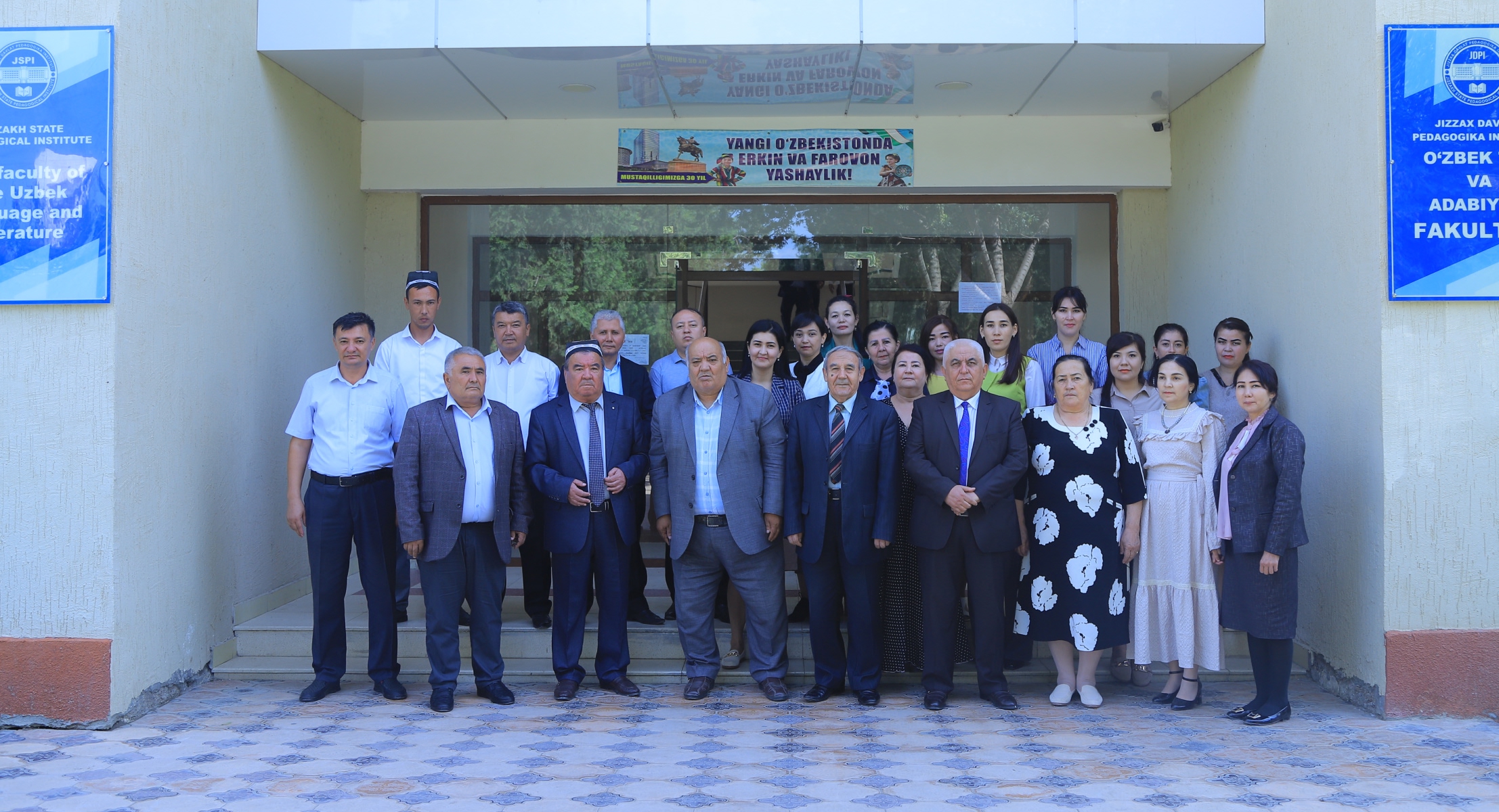
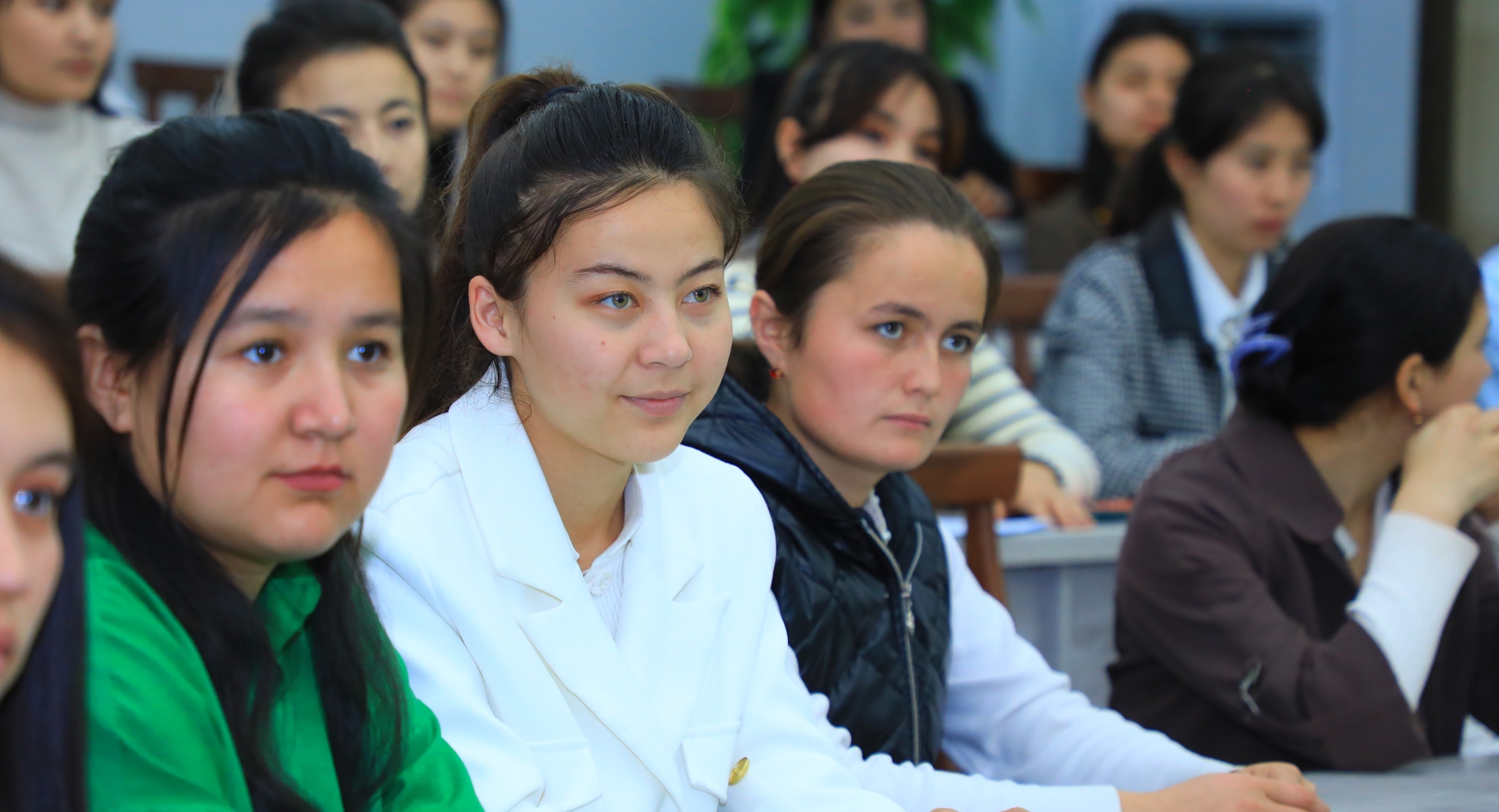
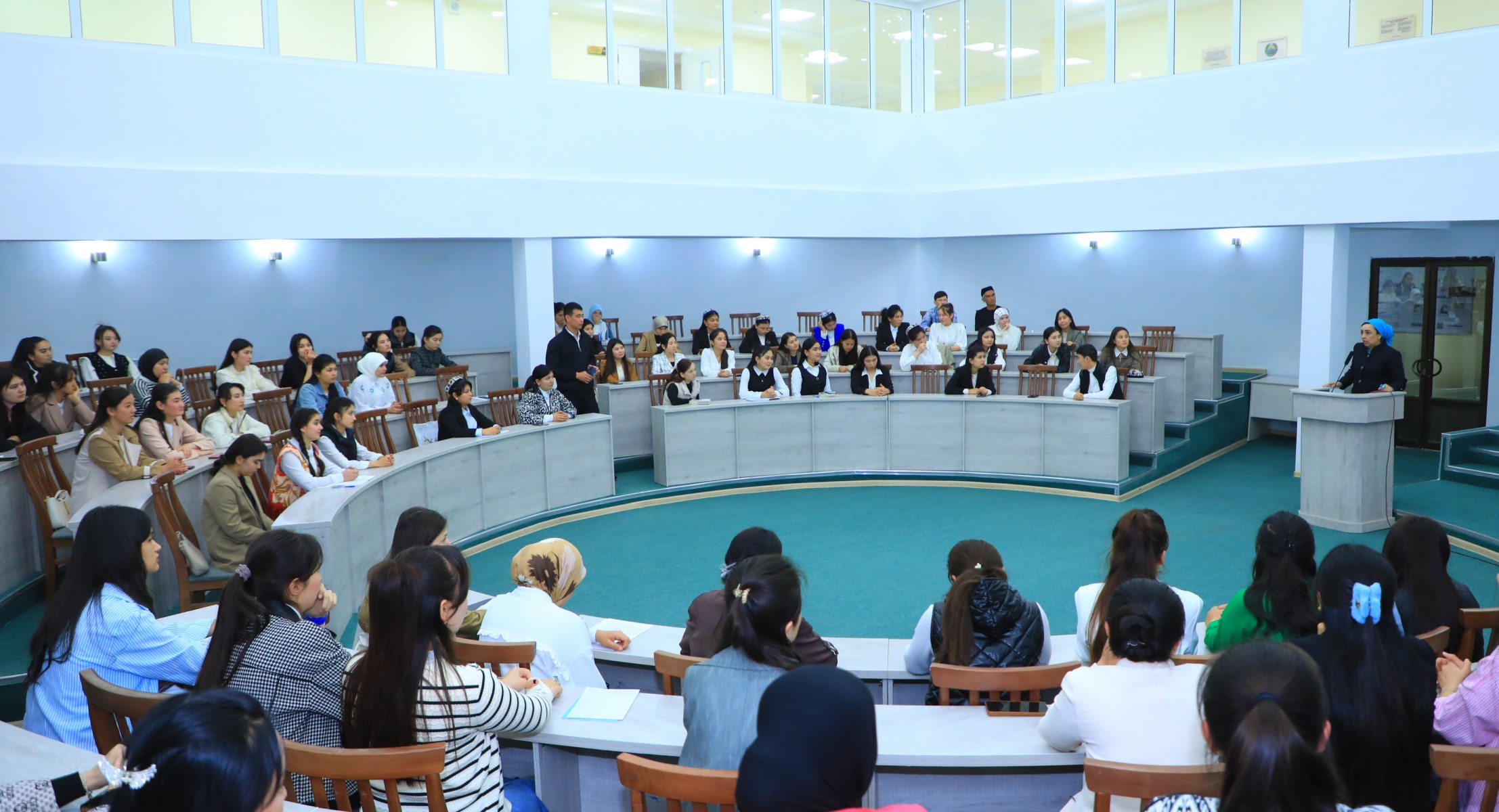
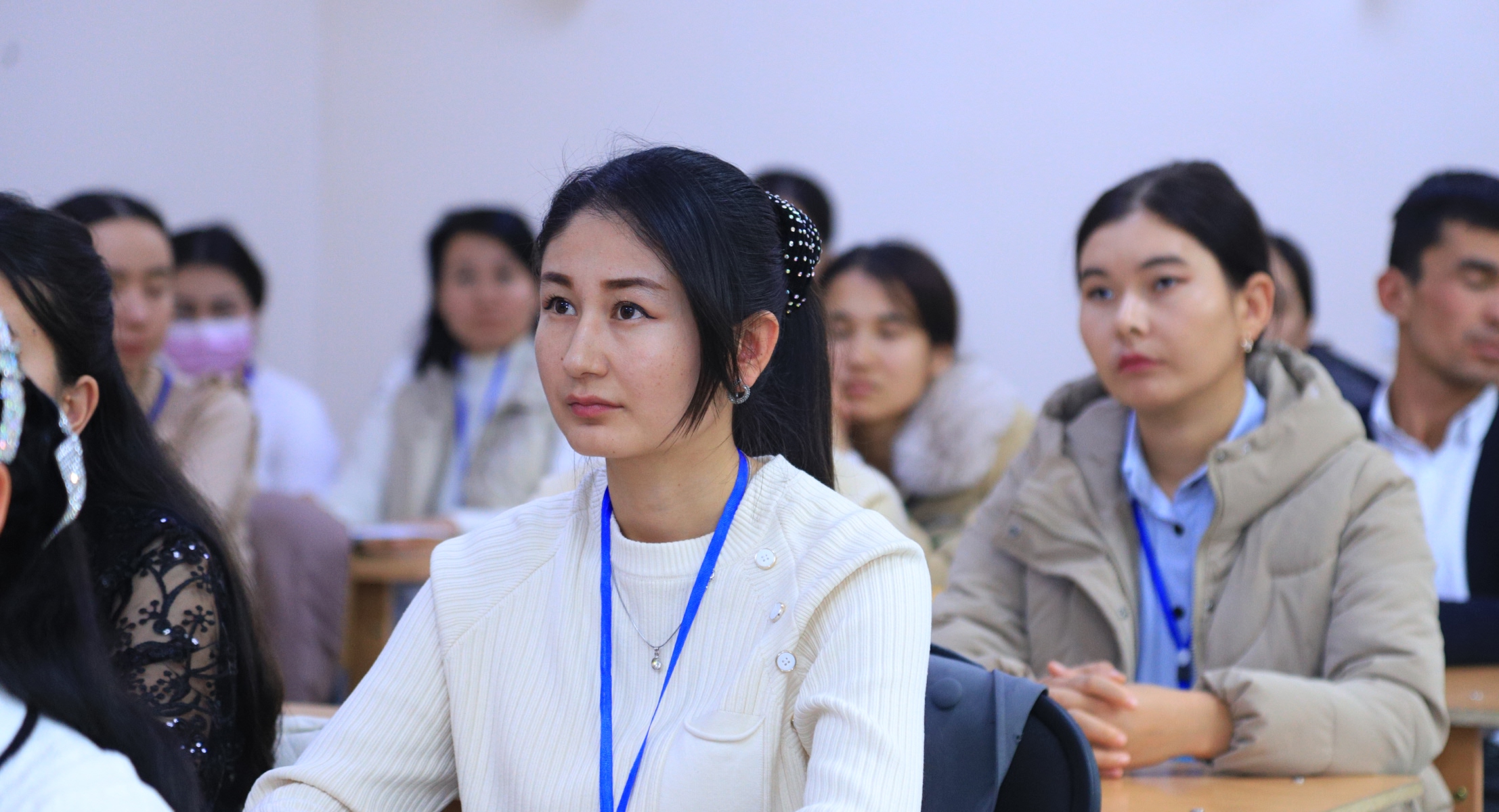
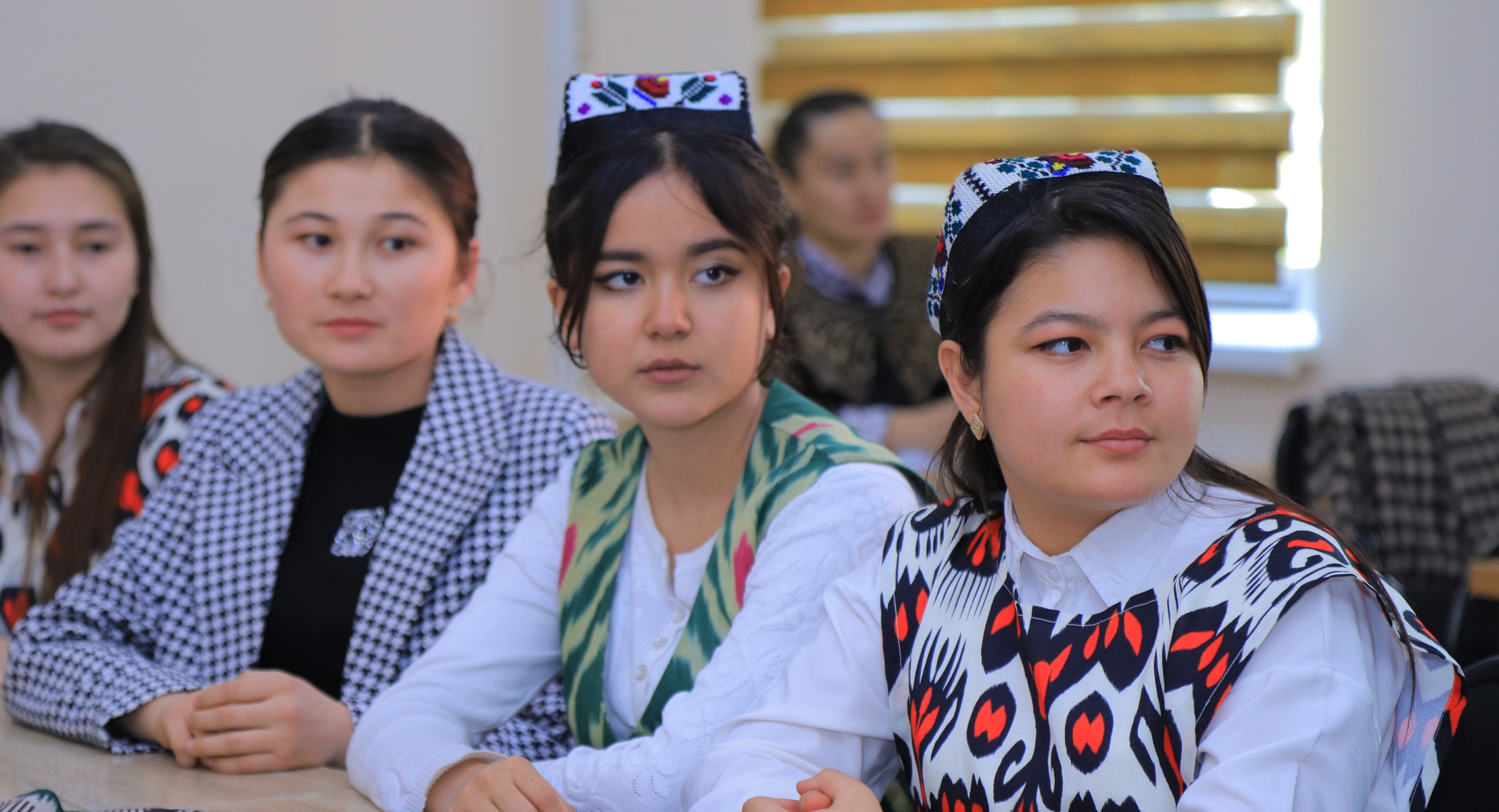
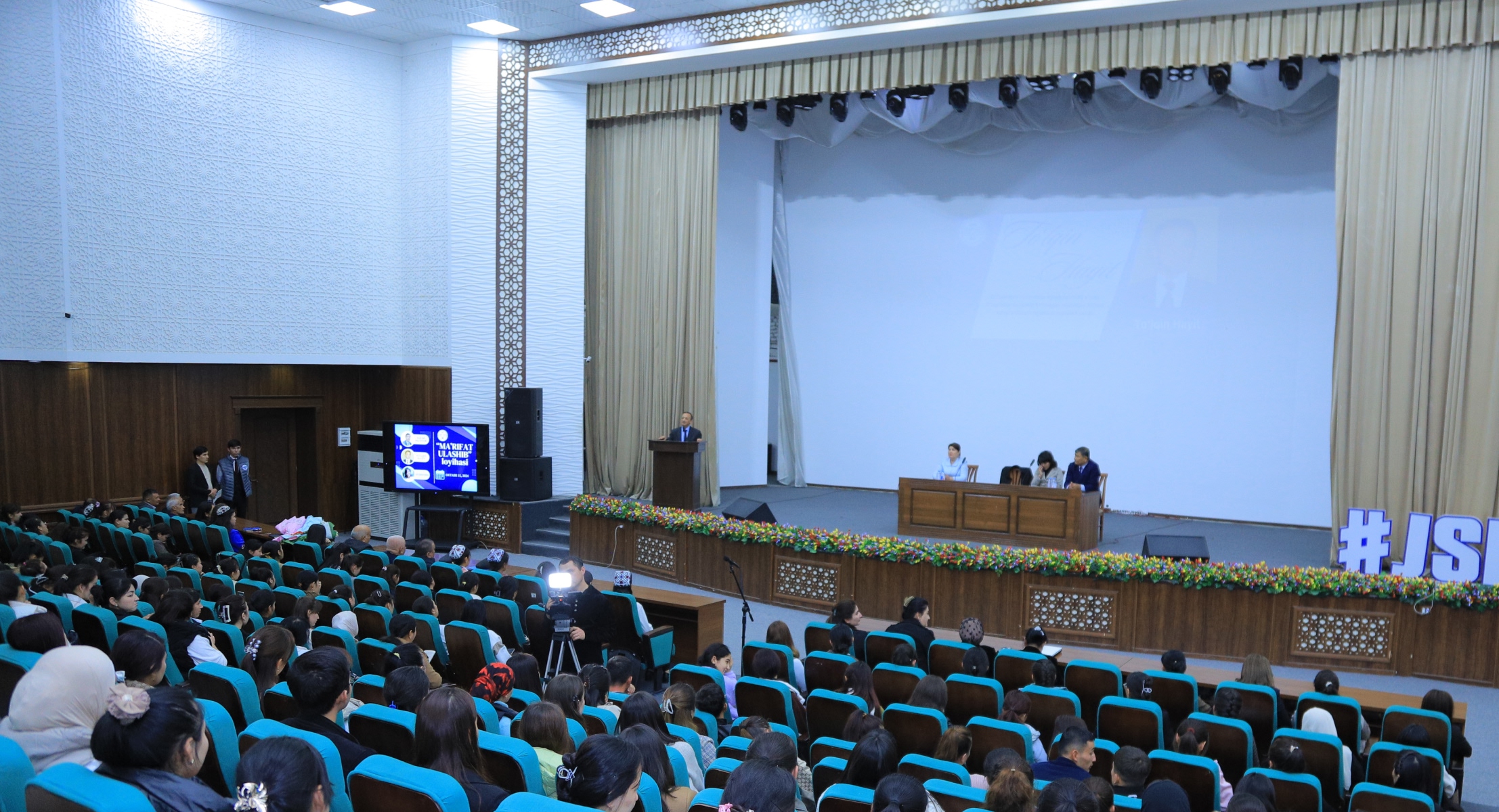
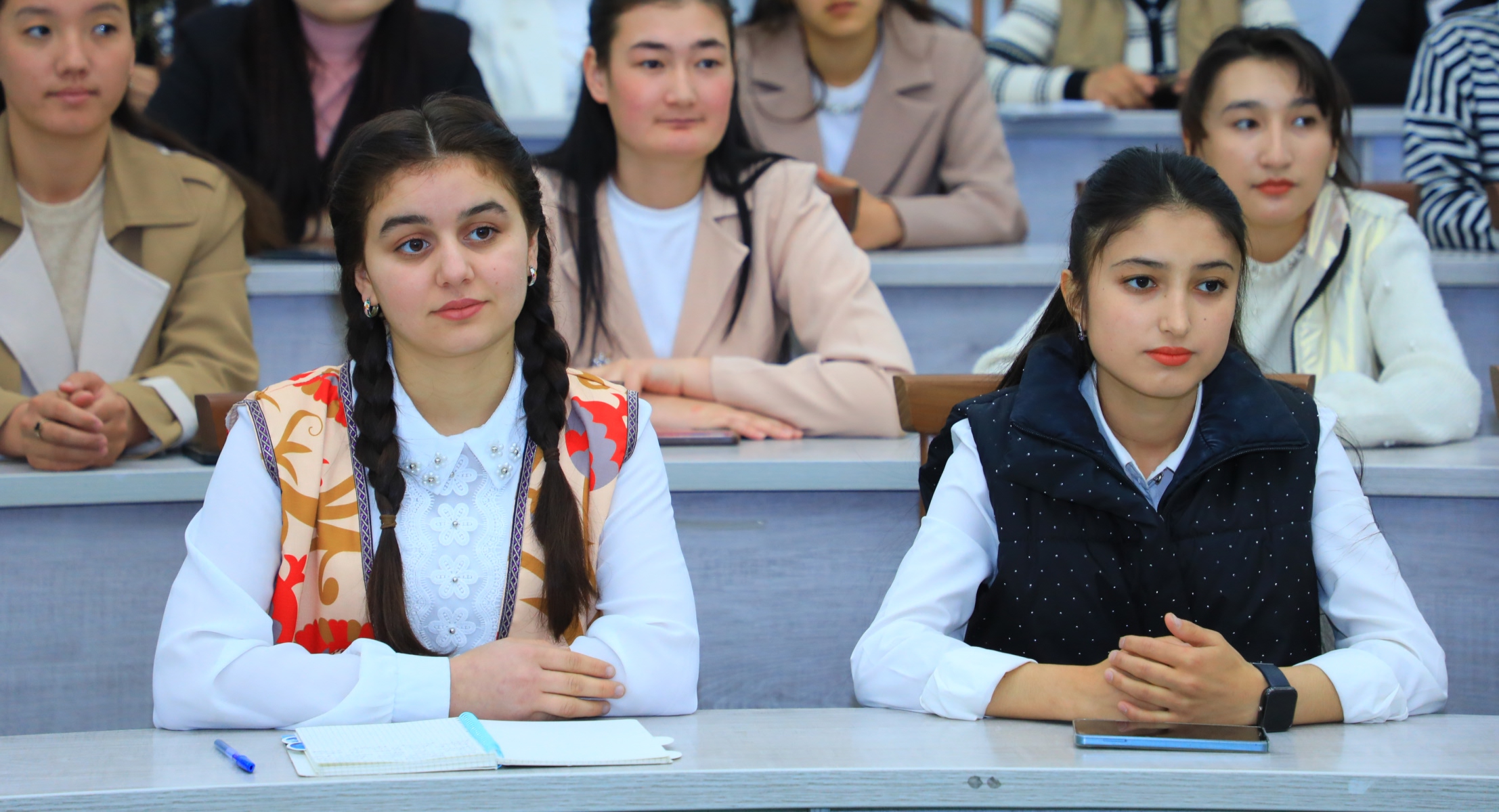
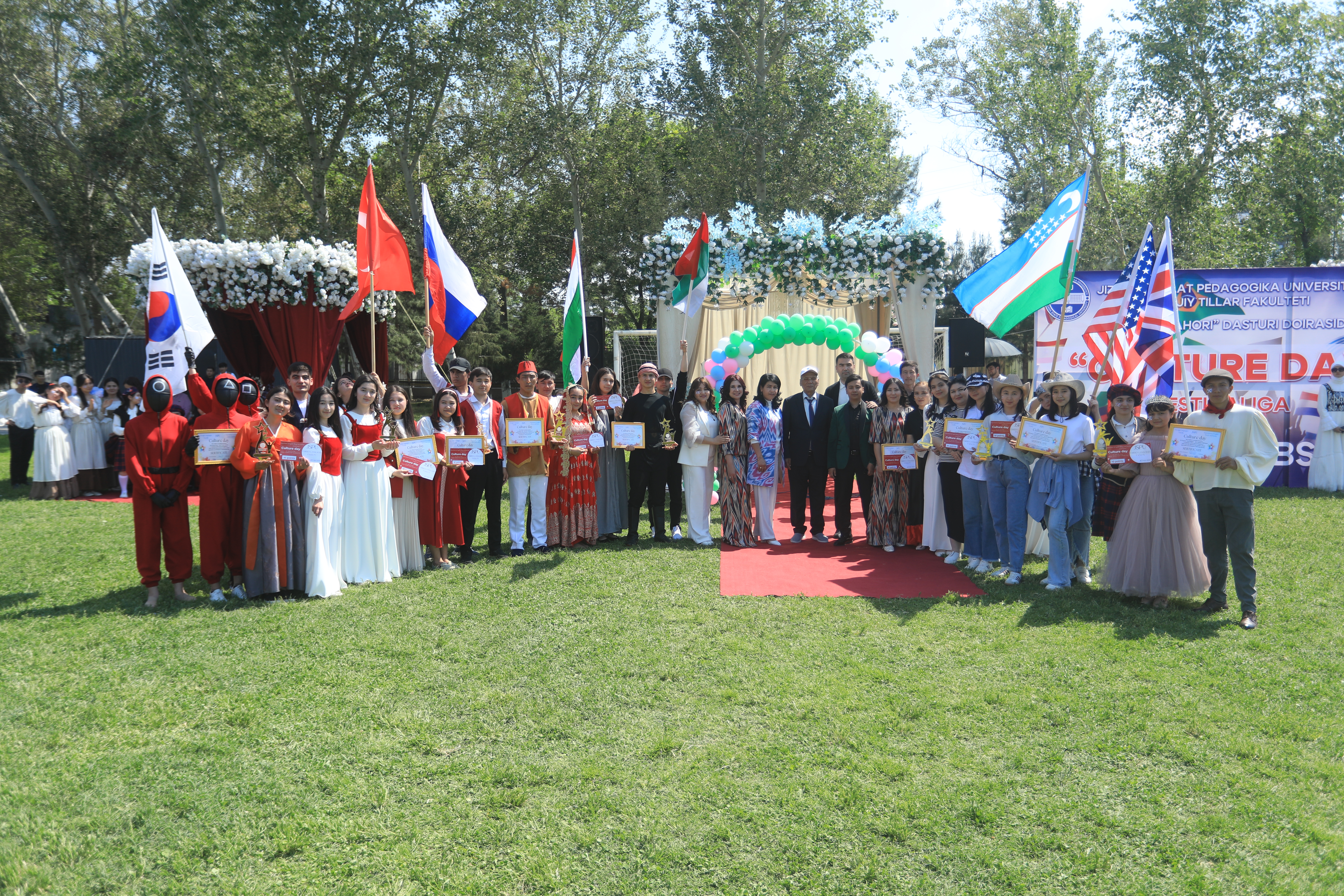
In our photo gallery, you can explore bright moments of faculty life: educational events, scientific conferences, creative exhibitions, and everyday student life.
Frequently Asked Questions (FAQ)


-
Educational Directions
-
Activity
-
Applicants
-
Students