

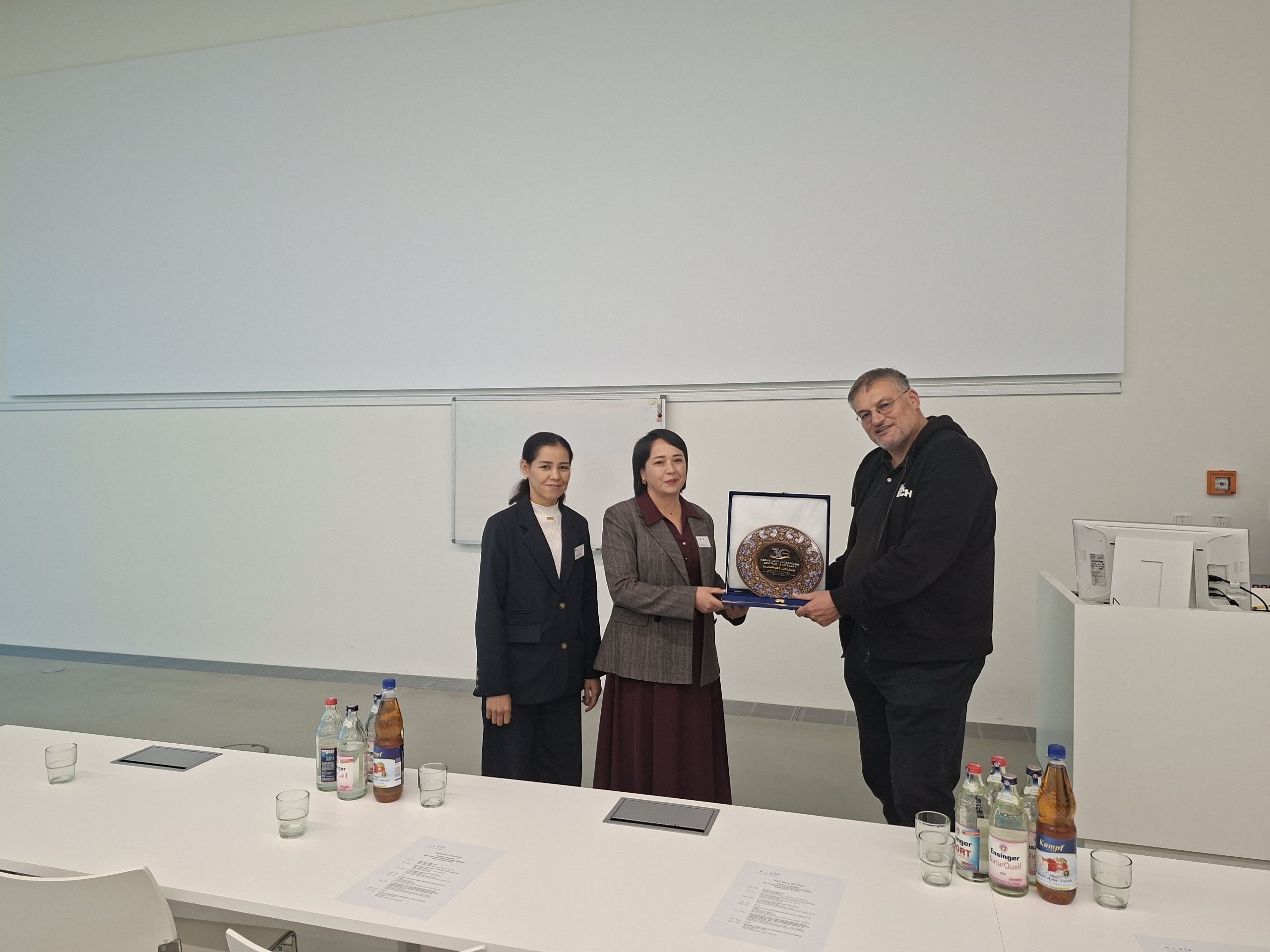
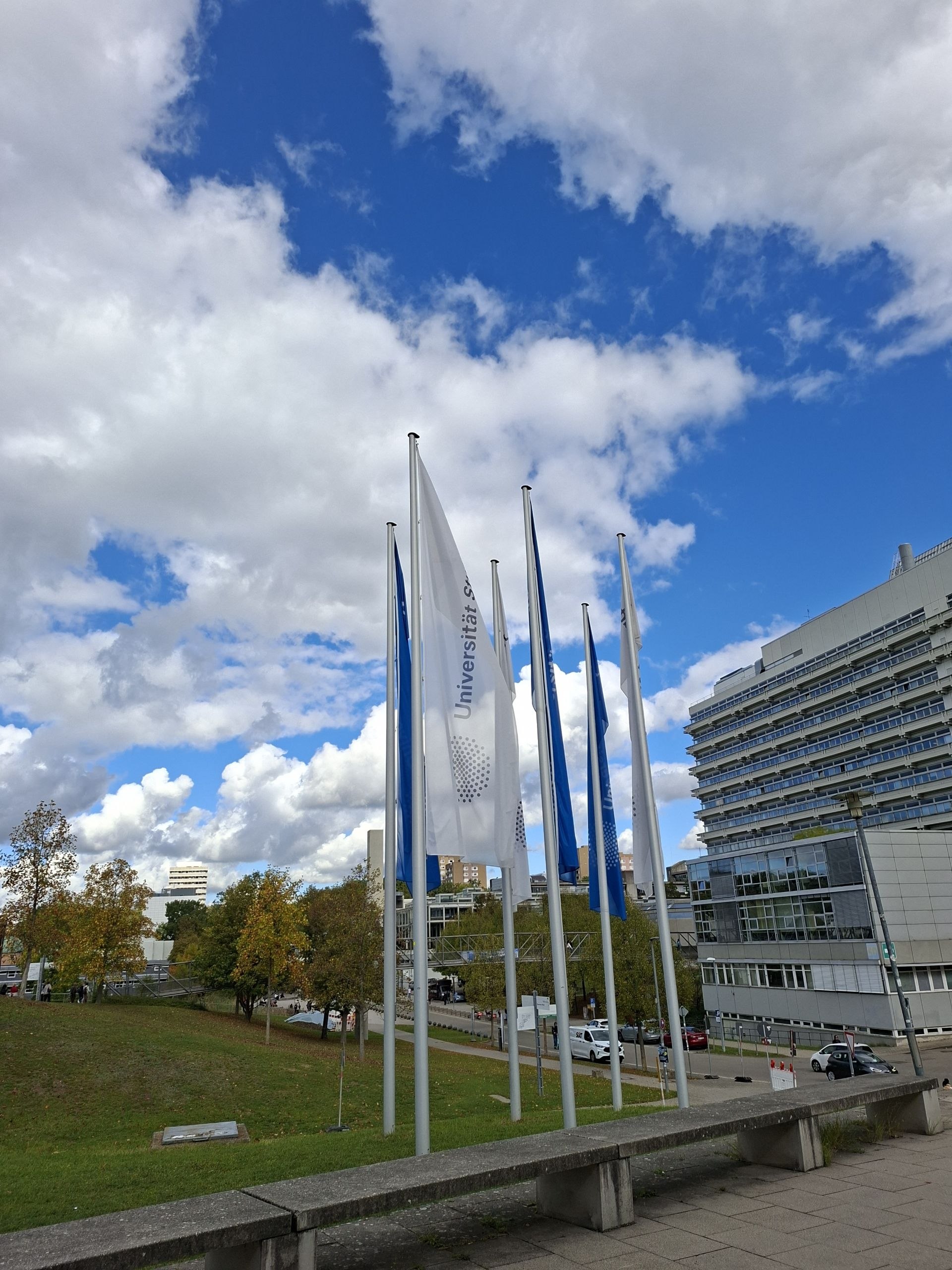
Professor Olima Xolmurodova of the Interfaculty Department of Foreign Languages of the Higher Pedagogical School of Philological Sciences of Jizzakh State Pedagogical University, as well as department teacher Fotima Safarova, are undergoing a scientific-pedagogical internship at the University of Stuttgart in the Federal Republic of Germany.
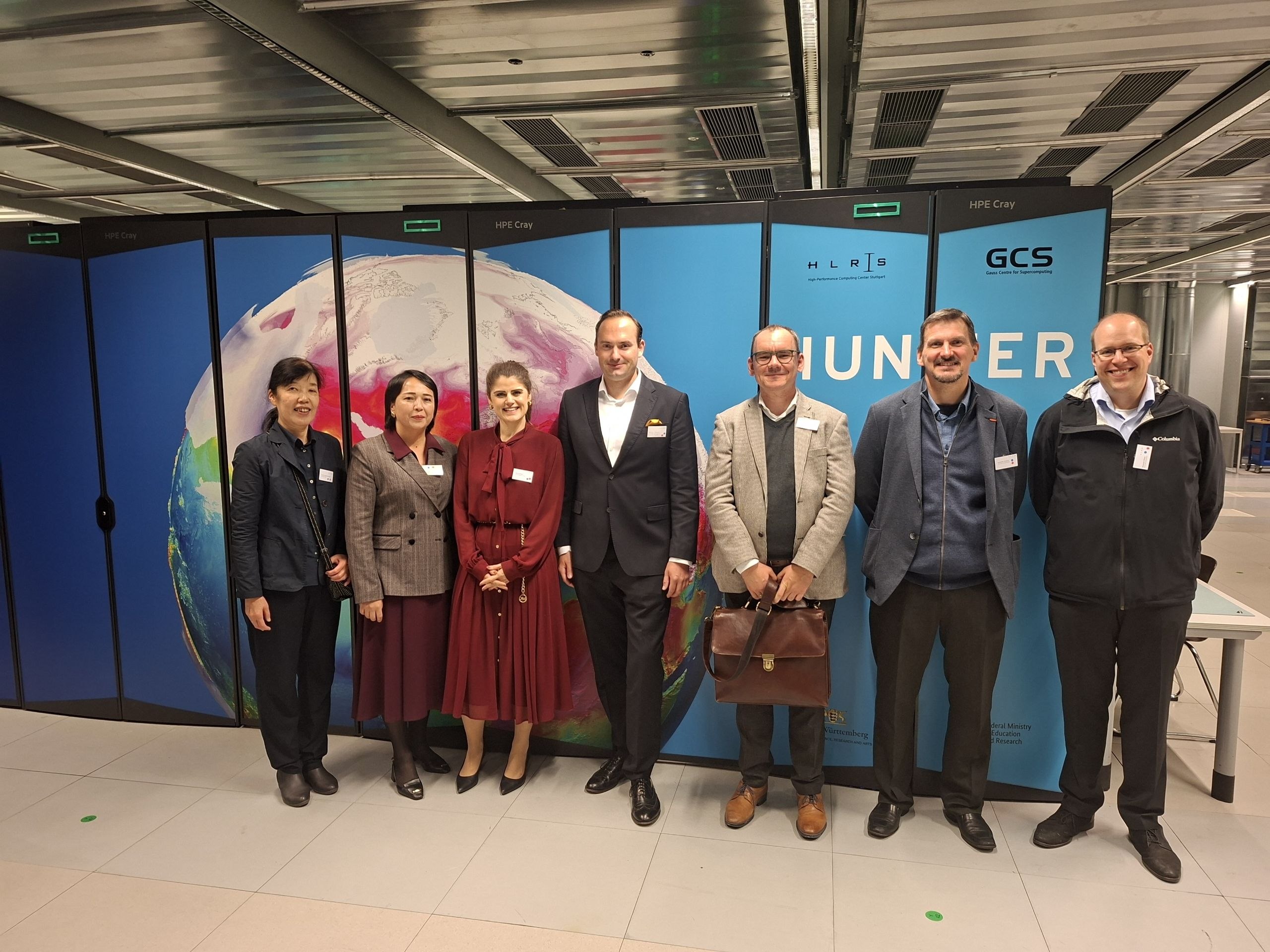
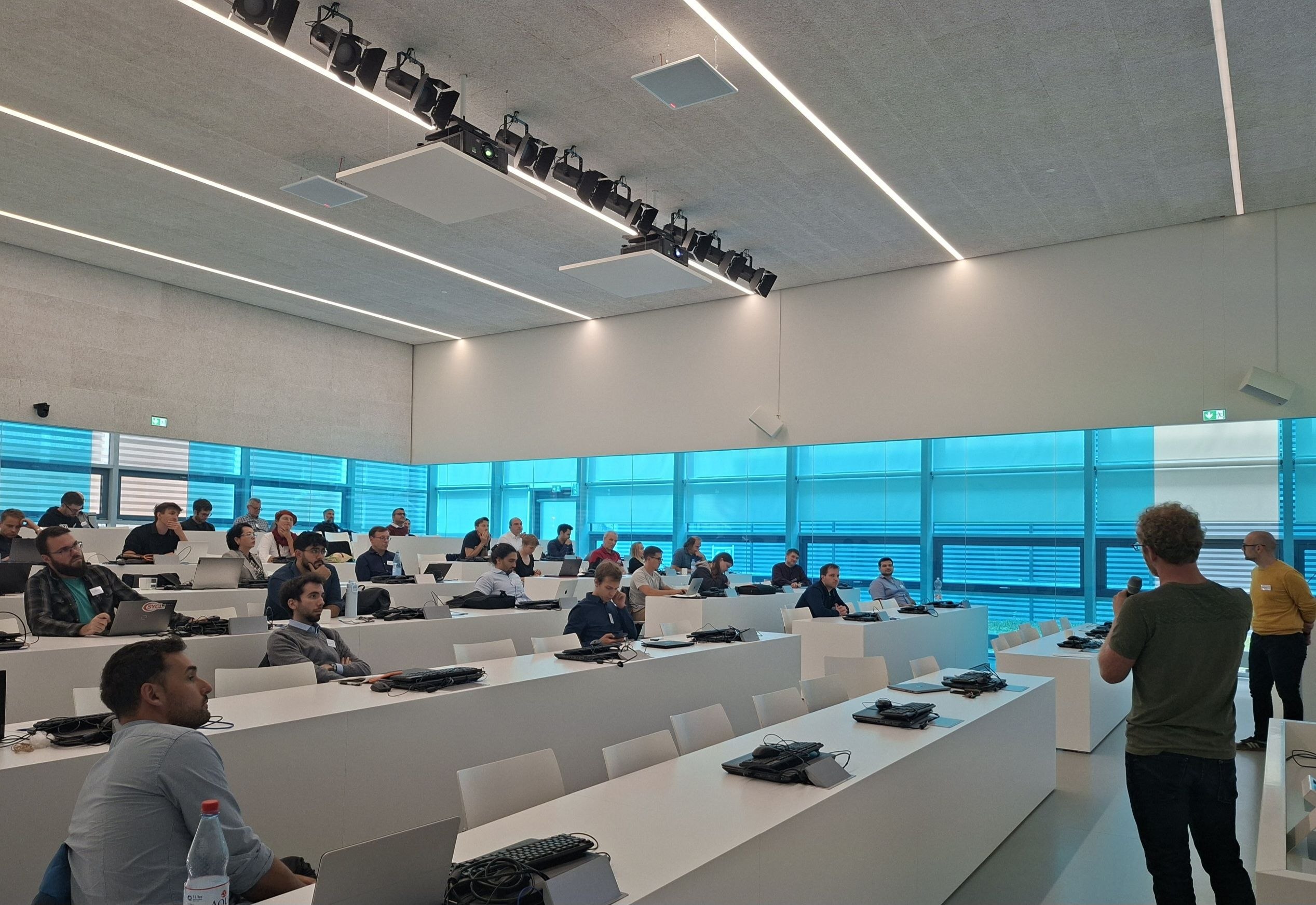
Within the framework of the internship, scientific meetings were organized with the High-Performance Computing Center Stuttgart (HLRS) of the University of Stuttgart, as well as with professors and teachers in the fields of foreign languages and philology. During the discussions, issues of implementing international scientific projects, using artificial intelligence and high-performance computing technologies in research, and conducting joint scientific research in the fields of linguistics and literary studies were discussed.

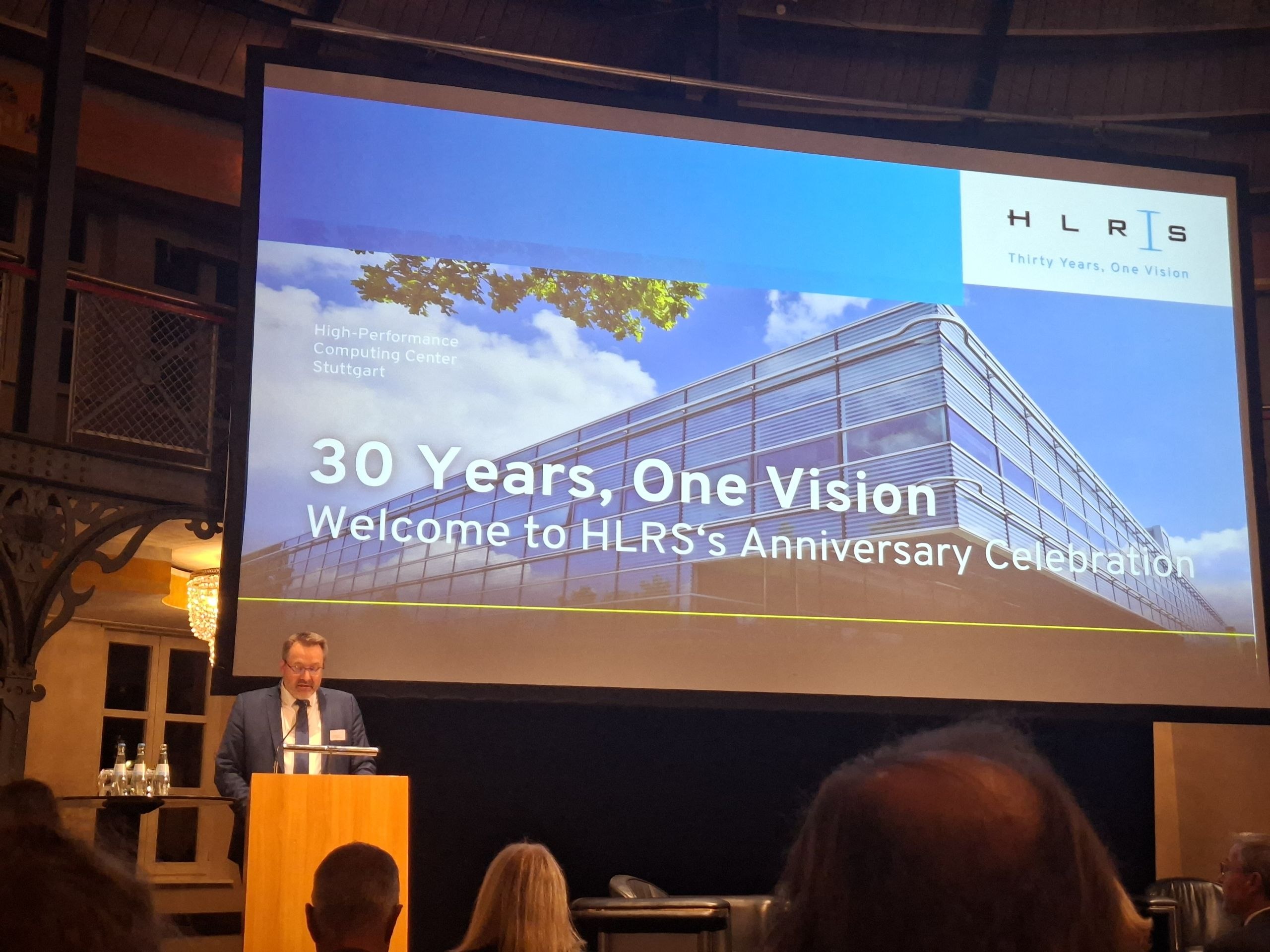
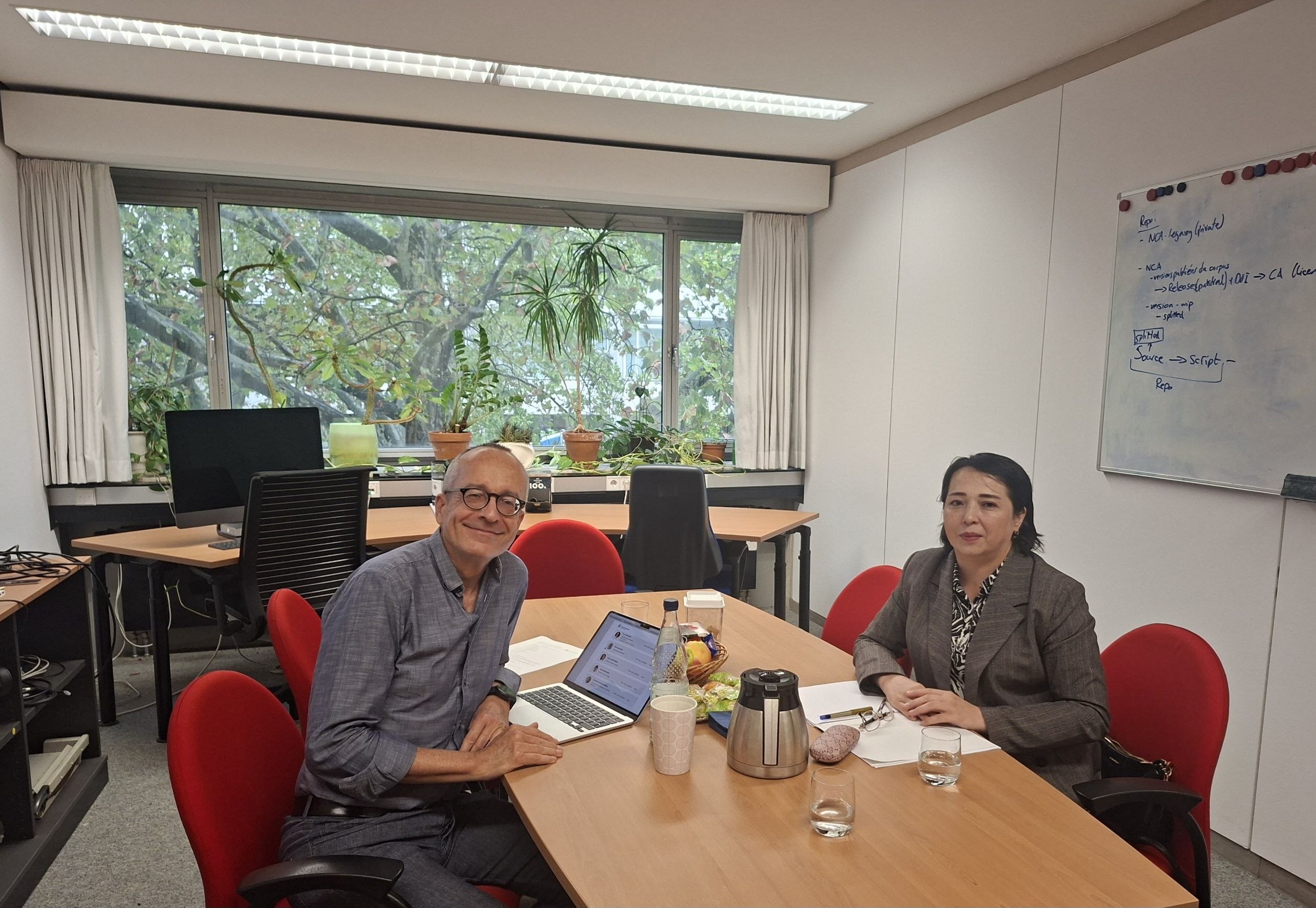
The meetings were attended by the Director of the HLRS Center, Professor Michael Resch, professors of the University of Stuttgart Alexander Brem, Achim Stein, Kirsten Dickhaut, as well as Martin Regnault and Alisa Winkens. The parties exchanged views on the prospects of integrating digital technologies into the humanities, using artificial intelligence tools in language and literature research, introducing innovative educational approaches, and expanding international scientific cooperation.
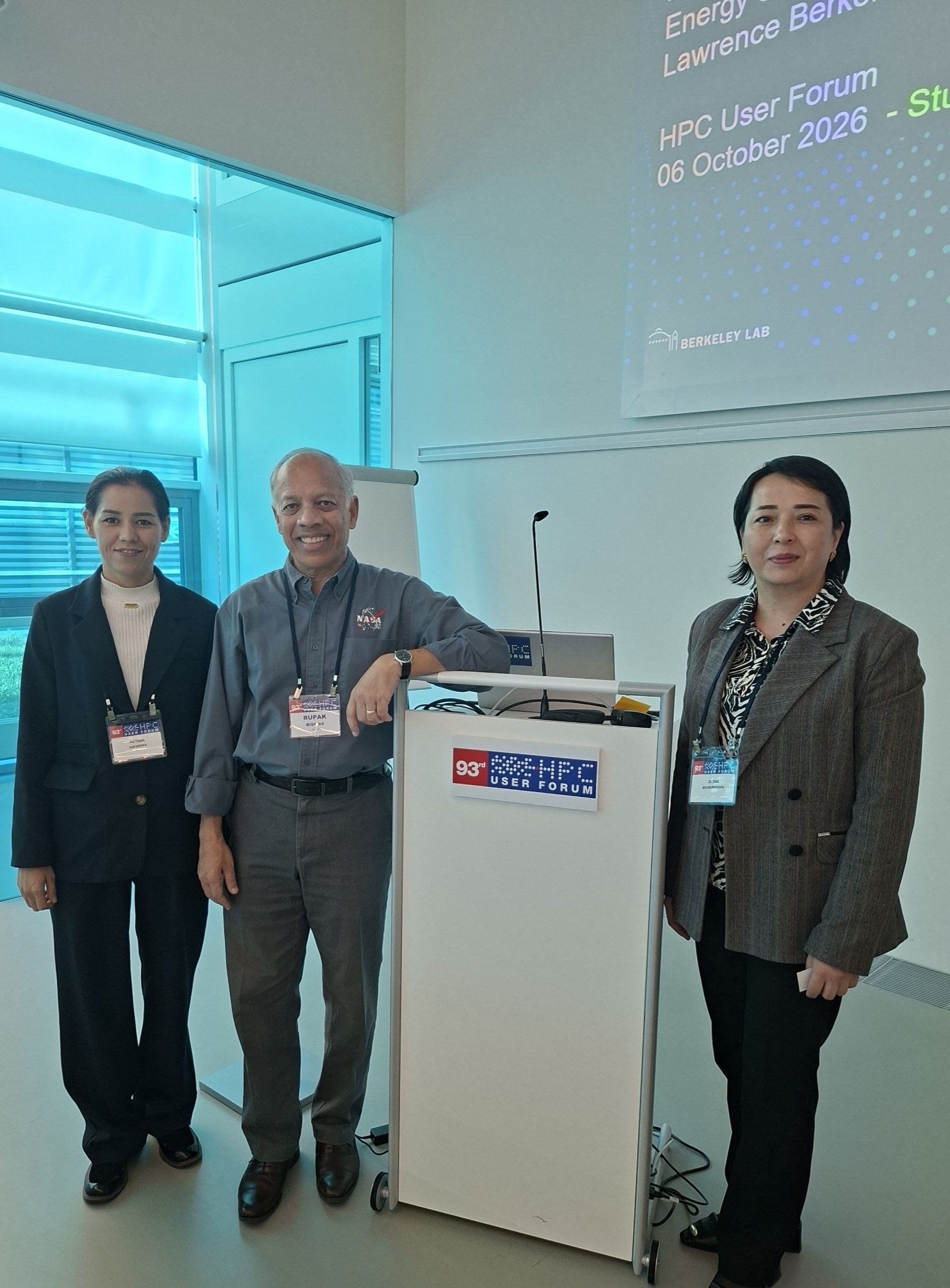
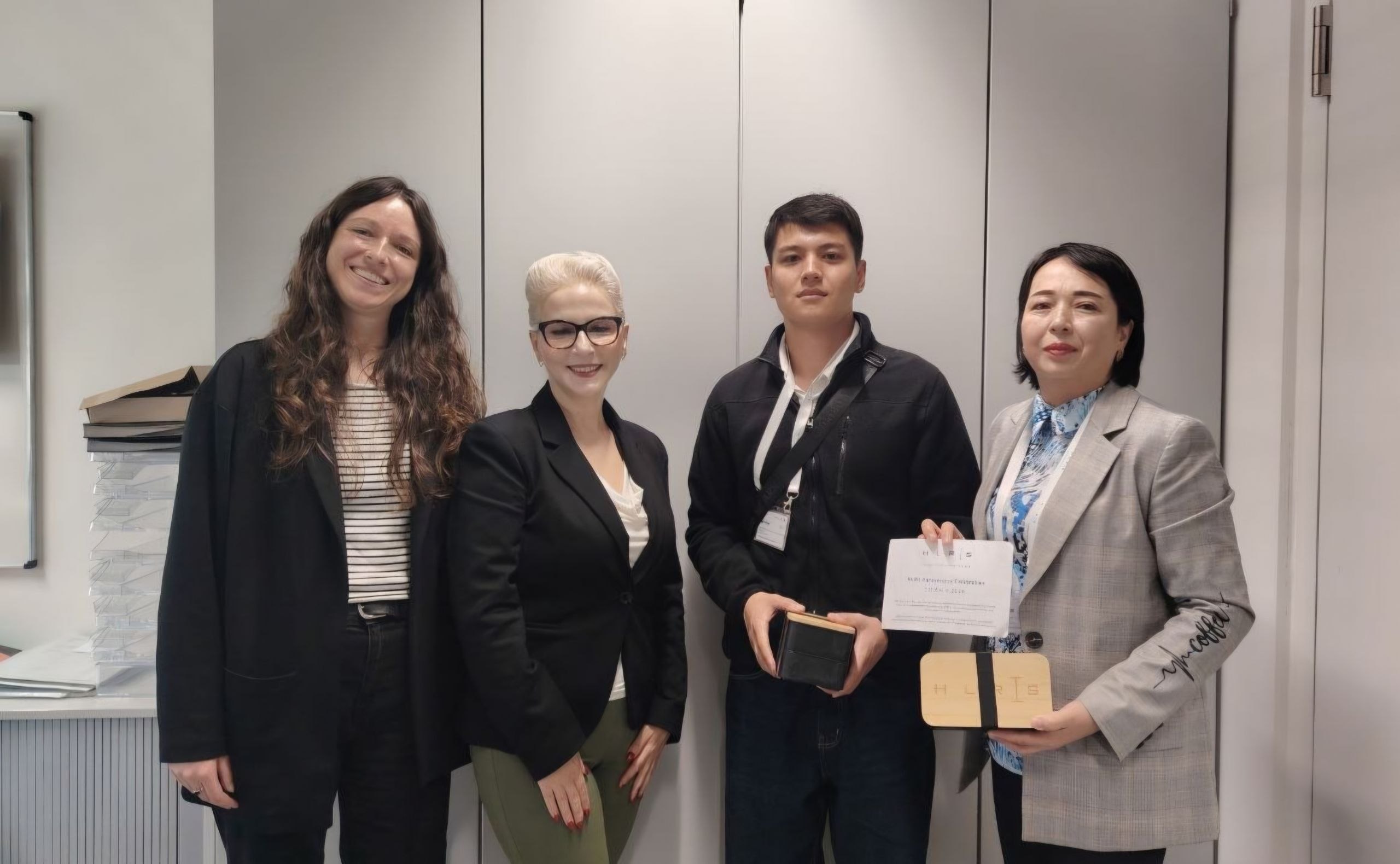
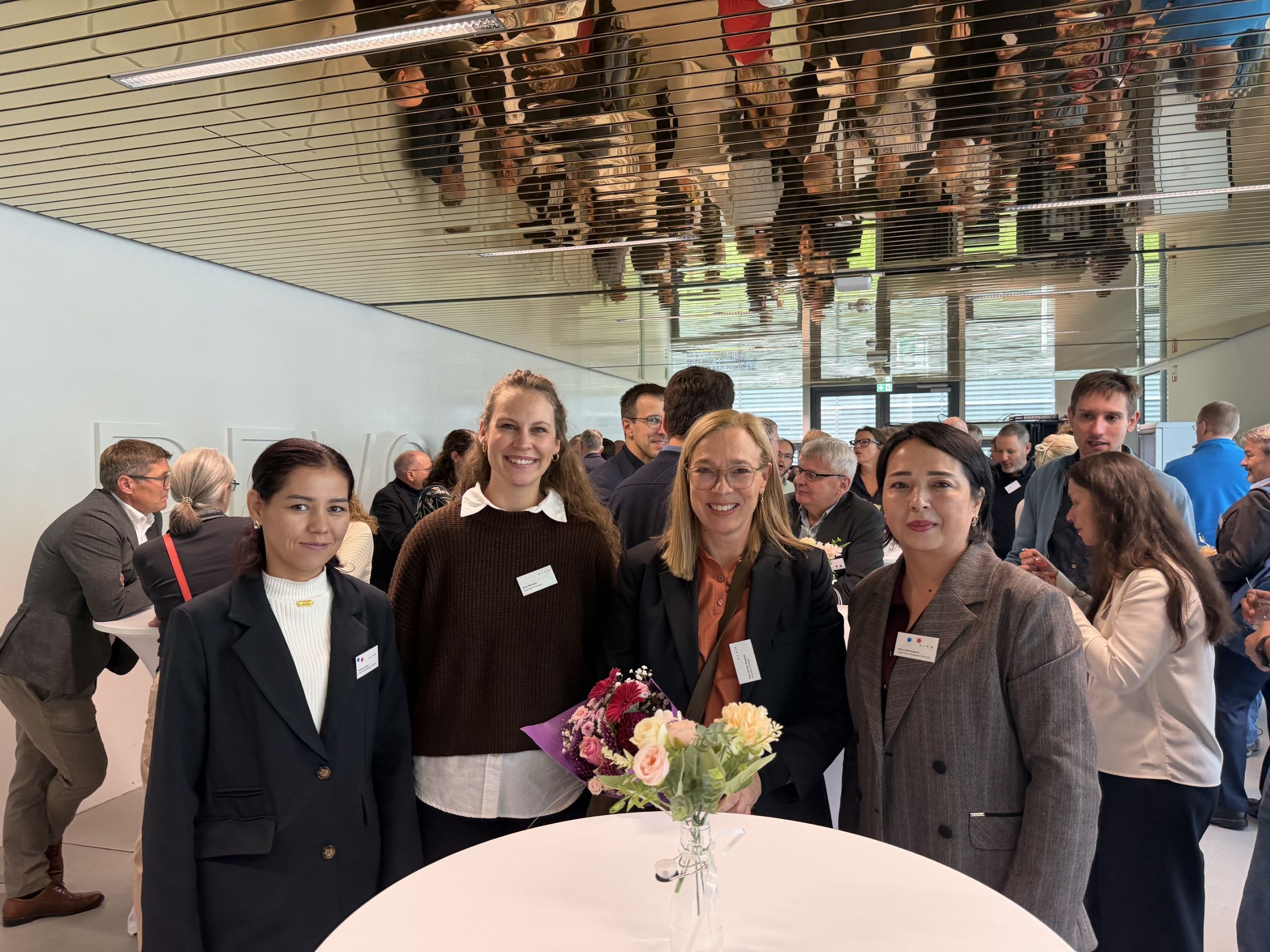
Studying the best practices of the HLRS center is of great importance for increasing the effectiveness of scientific research at the university, developing digital science, and applying modern technologies to scientific and educational processes.
The internship creates new opportunities for developing scientific and educational ties between the University of Stuttgart and Jizzakh State Pedagogical University, developing joint international projects, and enhancing the academic potential of professors, teachers, and young researchers. It also serves to popularize the acquired best practices among specialists at the university and in Jizzakh region.
This internship is one of the important steps toward strengthening the university’s international scientific cooperation ties, introducing modern approaches to scientific research, and improving the quality of education.